The Future of Beauty: Pinterest’s Sydney Stanback on Creative Self-Expression and the Key Trends for 2026

An inside look at what’s capturing users’ attention today and what’s set to dominate tomorrow, according to Pinterest’s Global Head of Trends and Insights

Photo: Pinterest

With 600 million monthly active users, Pinterest has basically become a society of inspiration. On the platform, everything turns into a mood board – and a fantasy: your future apartment with a kitchen open and flowing into the living room, the outfit and décor for a dream wedding – not necessarily your own, endless holiday inspiration, from A in Athens to Z in Zurich, folders bursting with variations of Pixies, Bobs, and Bixies and rhinestone appliqués for a Larsson concert, maybe. Sorting your inspirations on Pinterest gives you a way to create stability, nurture your dreams, and give them a digital presence in a reality that sometimes feels like it has no future. There’s hope in building entire environments, styling your spaces, crafting your identities and in letting yourself feel ready for anything in a society that expects you to be prepared for everything.

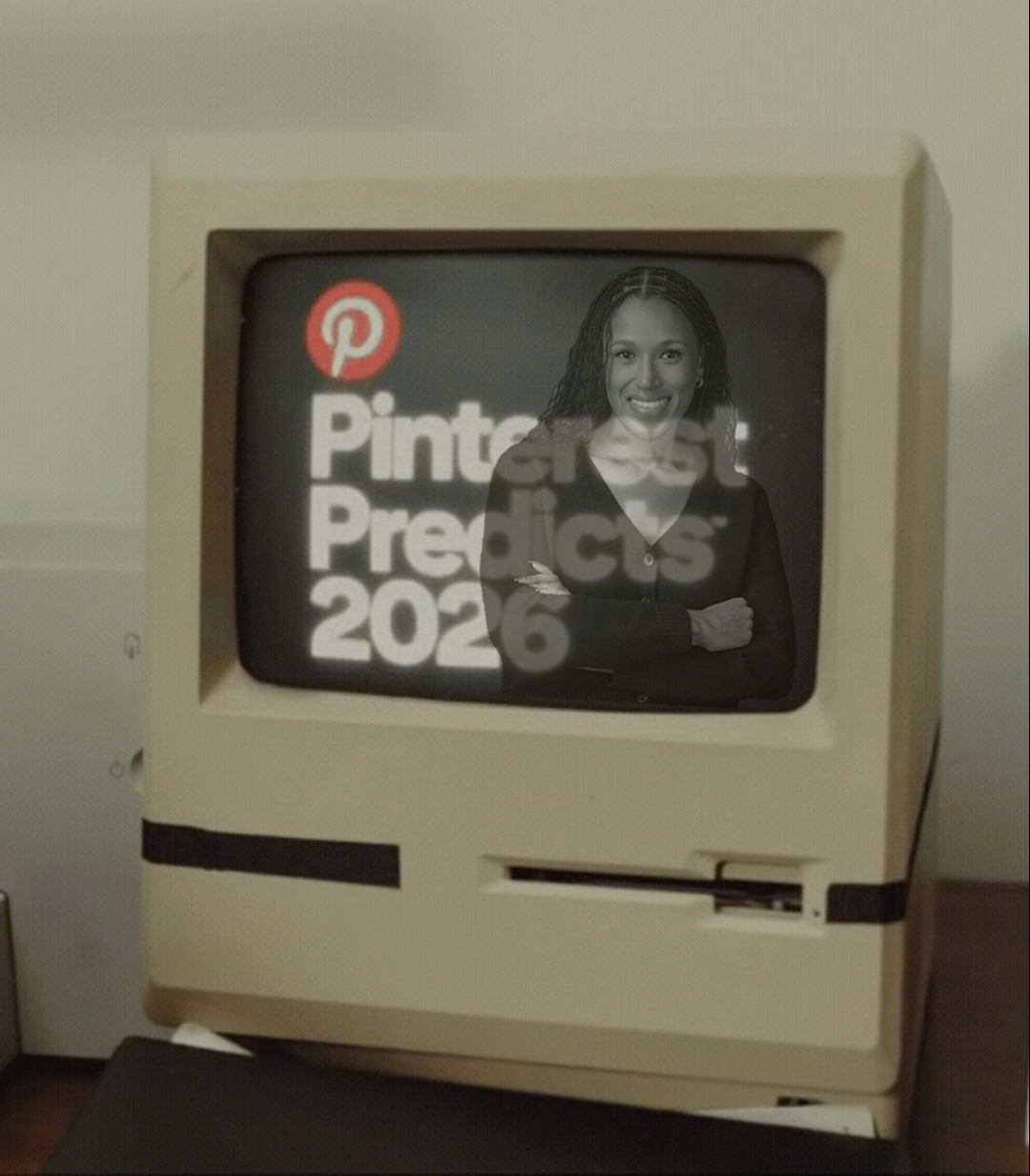
To get an inside look at what’s capturing users’ attention today and what’s set to dominate tomorrow, we spoke with Sydney Stanback, Pinterest’s Global Head of Trends and Insights, and explored “Pinterest Predicts”, their annual trend-forecast report, which has just been released.

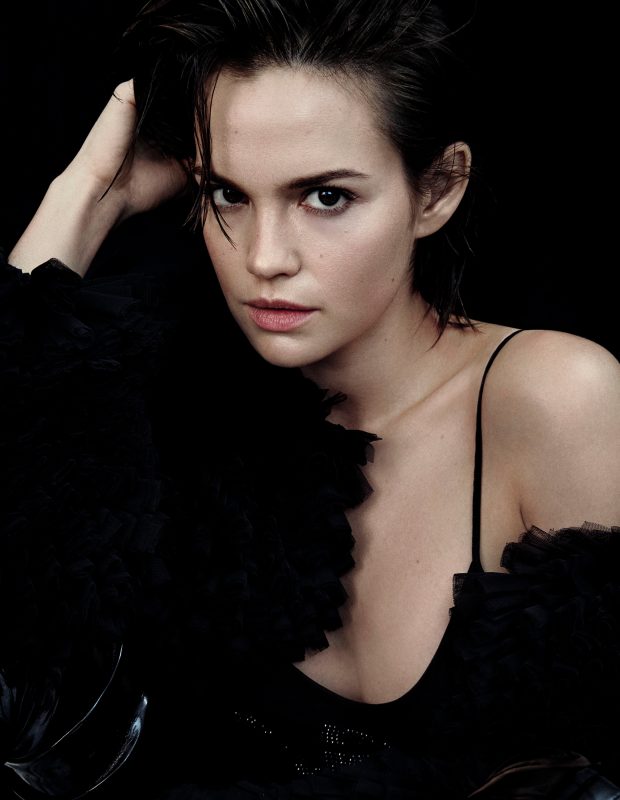
Photo: PR

TUSH: As beauty sales continue to grow, is beauty emerging as the new fashion on Pinterest? 

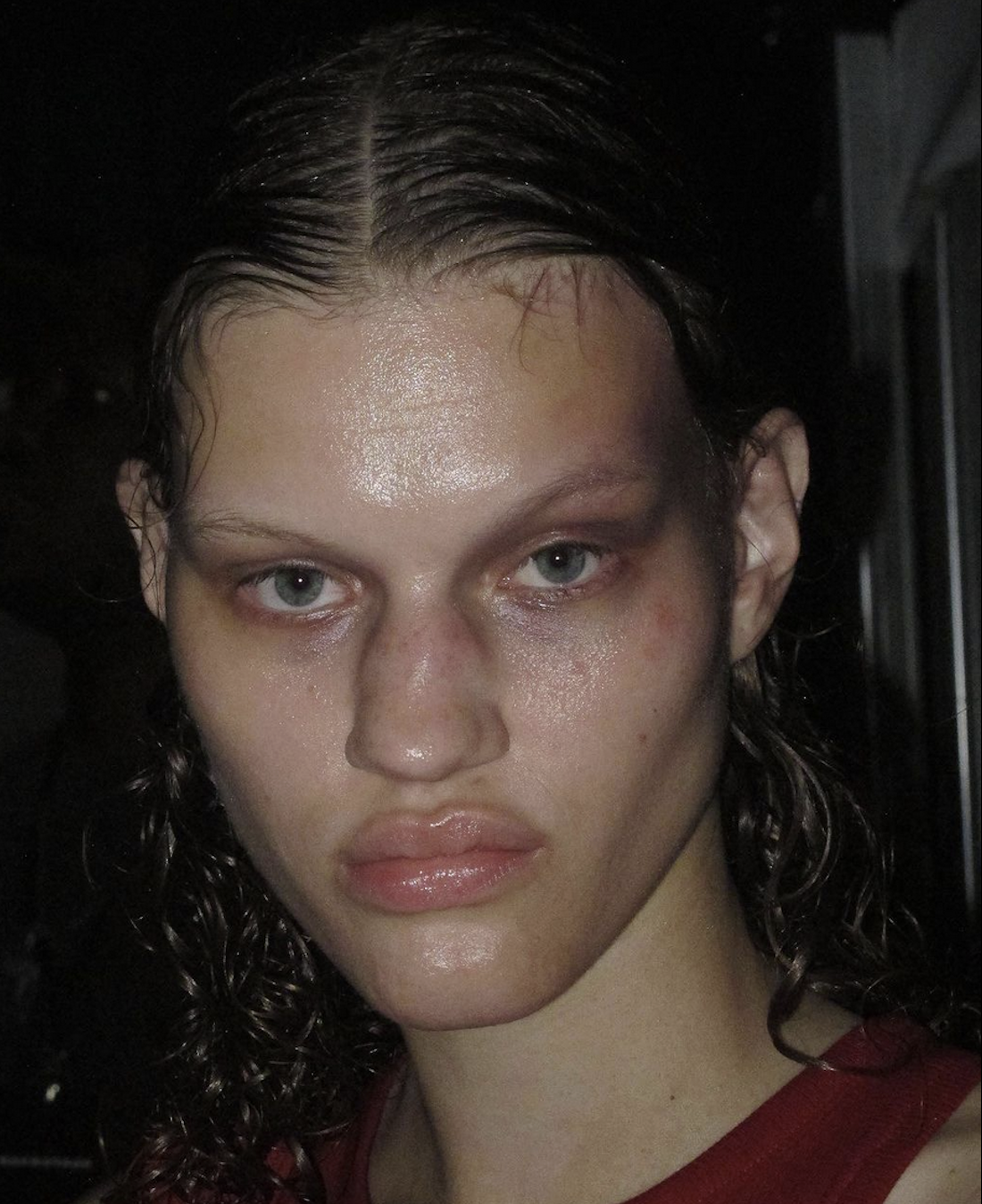
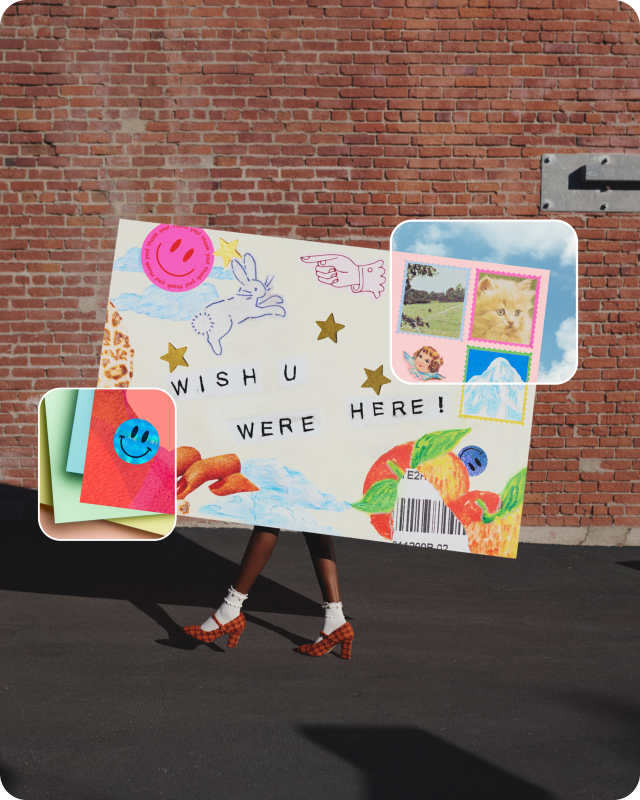
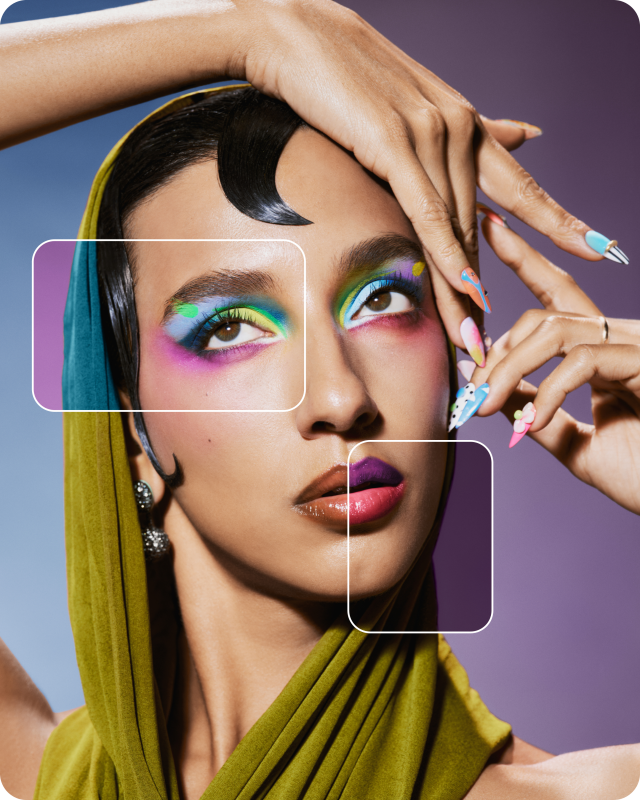
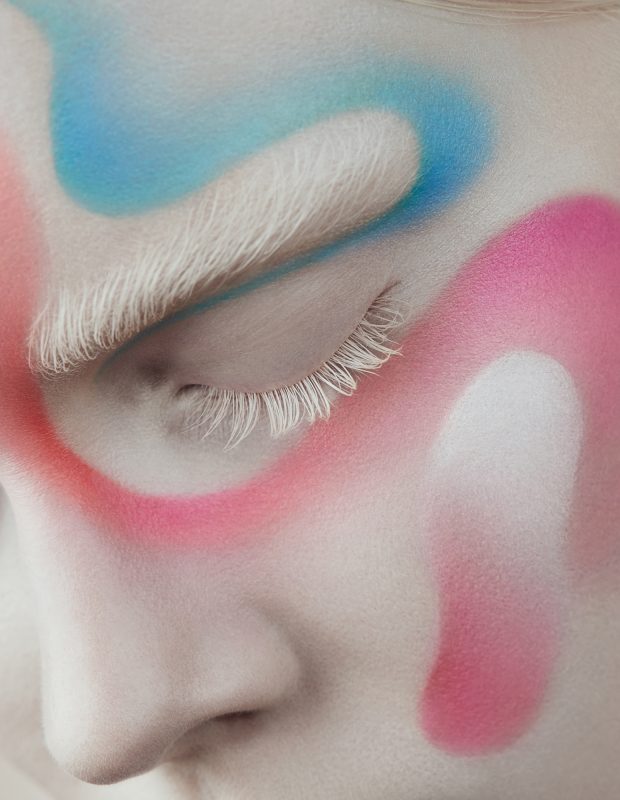
Sydney: Beauty has always been a staple category on Pinterest, and I think it’s because beauty has become the most accessible form of self-expression. You don’t need a whole new wardrobe to try „Glitchy Glam“ or experiment with Scent Stacking – you can transform your look in minutes. What’s exciting is that 67% of our 2026 trends are driven by Gen Z and Millennials, and they’re using beauty as their primary creative canvas. We’re seeing searches explode for everything from „lace makeup“ up 120% to „avant garde makeup editorial“ up 270%. Beauty isn’t replacing fashion: it’s becoming equally powerful as a tool for identity exploration and personal reinvention.


TUSH: Nostalgic trends are gaining traction, blurring the lines between past and present. Which nostalgic trend do you believe will have the most significant impact on beauty? 

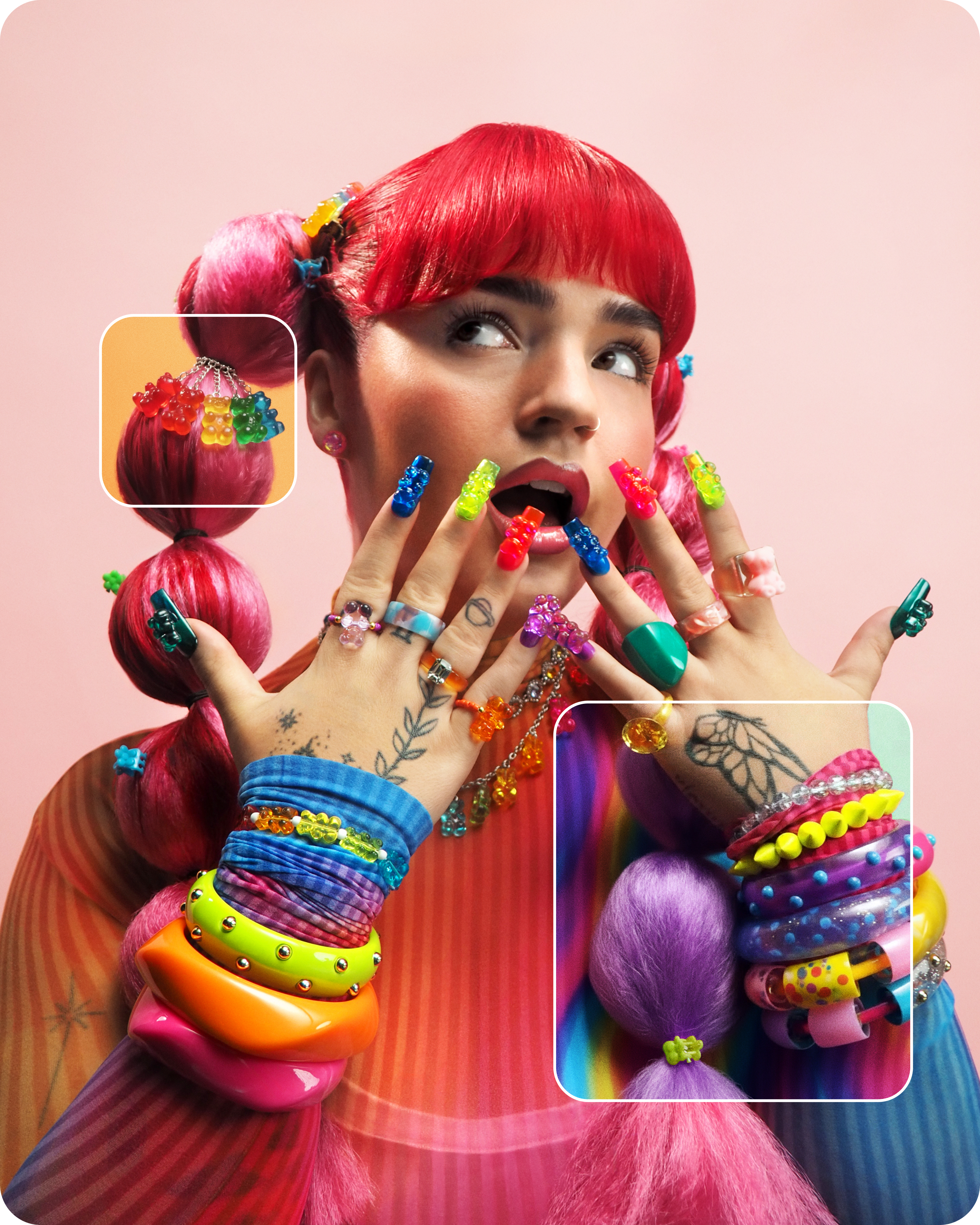
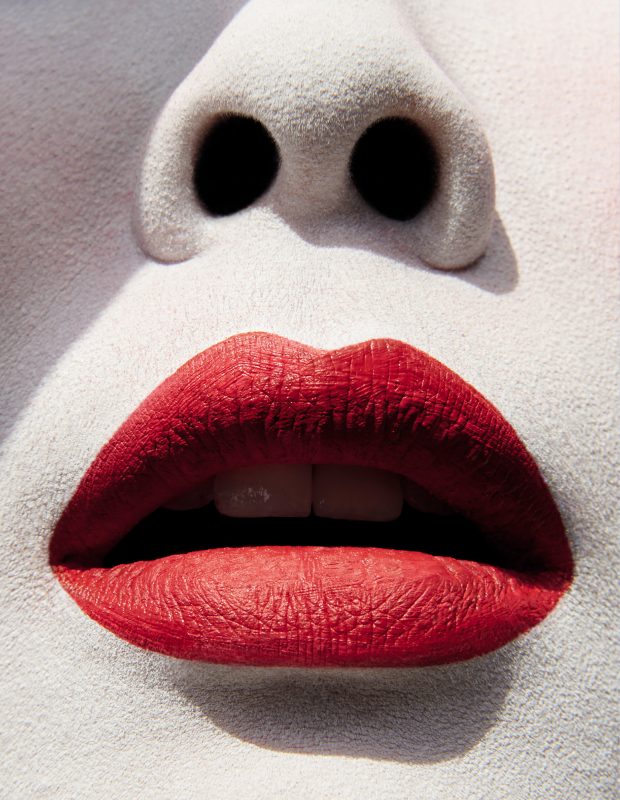
Sydney: I believe Gimme Gummy is one of the nostalgic beauty trends that’s going to be everywhere. We’re seeing searches for „jelly blush“ up 130%, „jelly candy aesthetic“ up 100% – this translucent, tactile aesthetic is pure nostalgia but with a completely modern twist. It taps into ASMR, the satisfying textures people crave, and that playful sensory experience of childhood, but executed with sophisticated formulations and finishes. It’s nostalgia you can feel, not just see, which makes it incredibly powerful. Plus, it photographs amazingly well and invites experimentation, which is exactly what Gen Z and Millennials want from their beauty products right now.


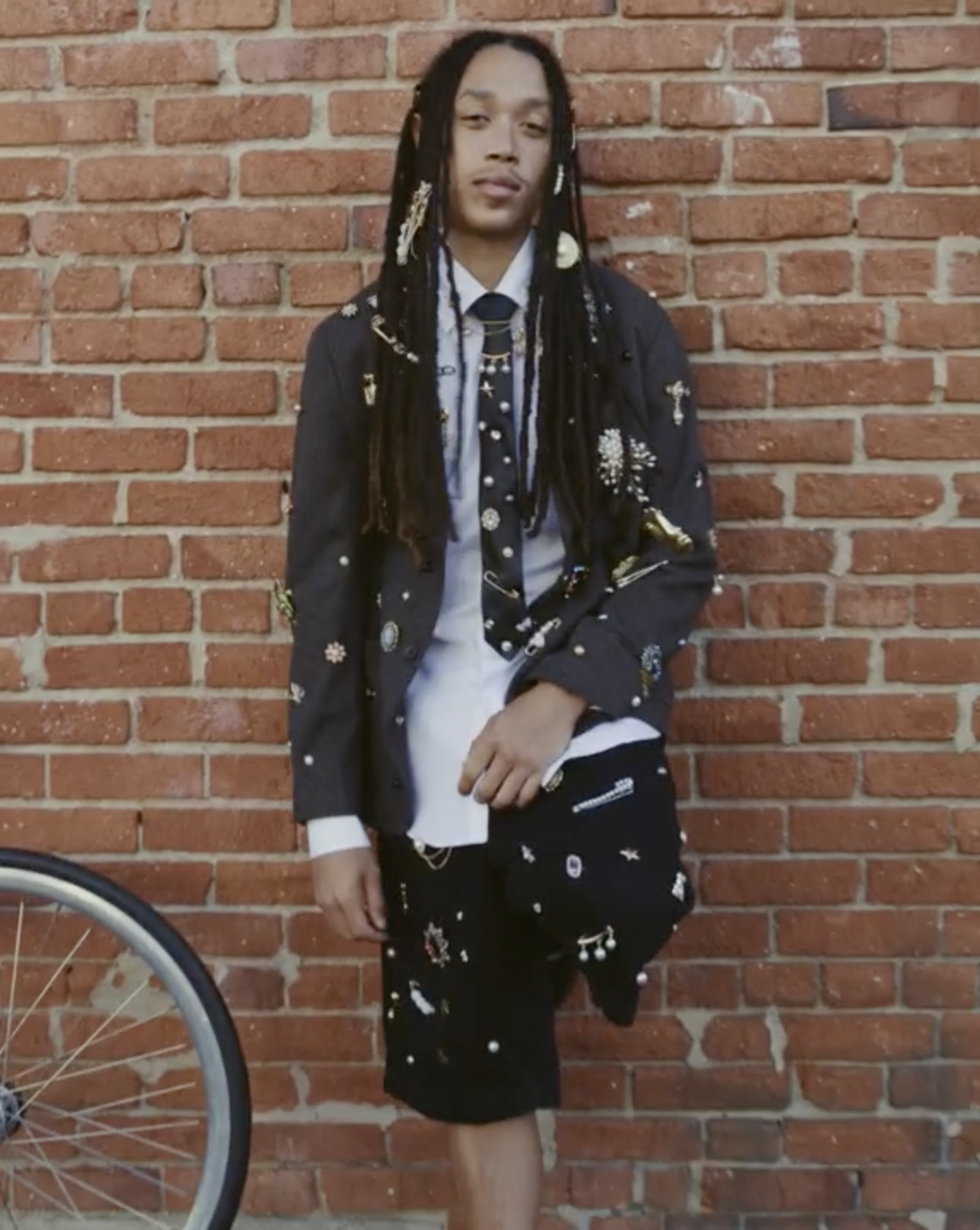
TUSH: Brooches are a recurring theme in your Pinterest trend forecasts. With their emphasis on adornment, personalization, and elevation, do you think we could see similar trends in beauty, such as facial patches as a „brooch substitute“? Pimple patches, for instance, already seem to be a precursor to this idea. 

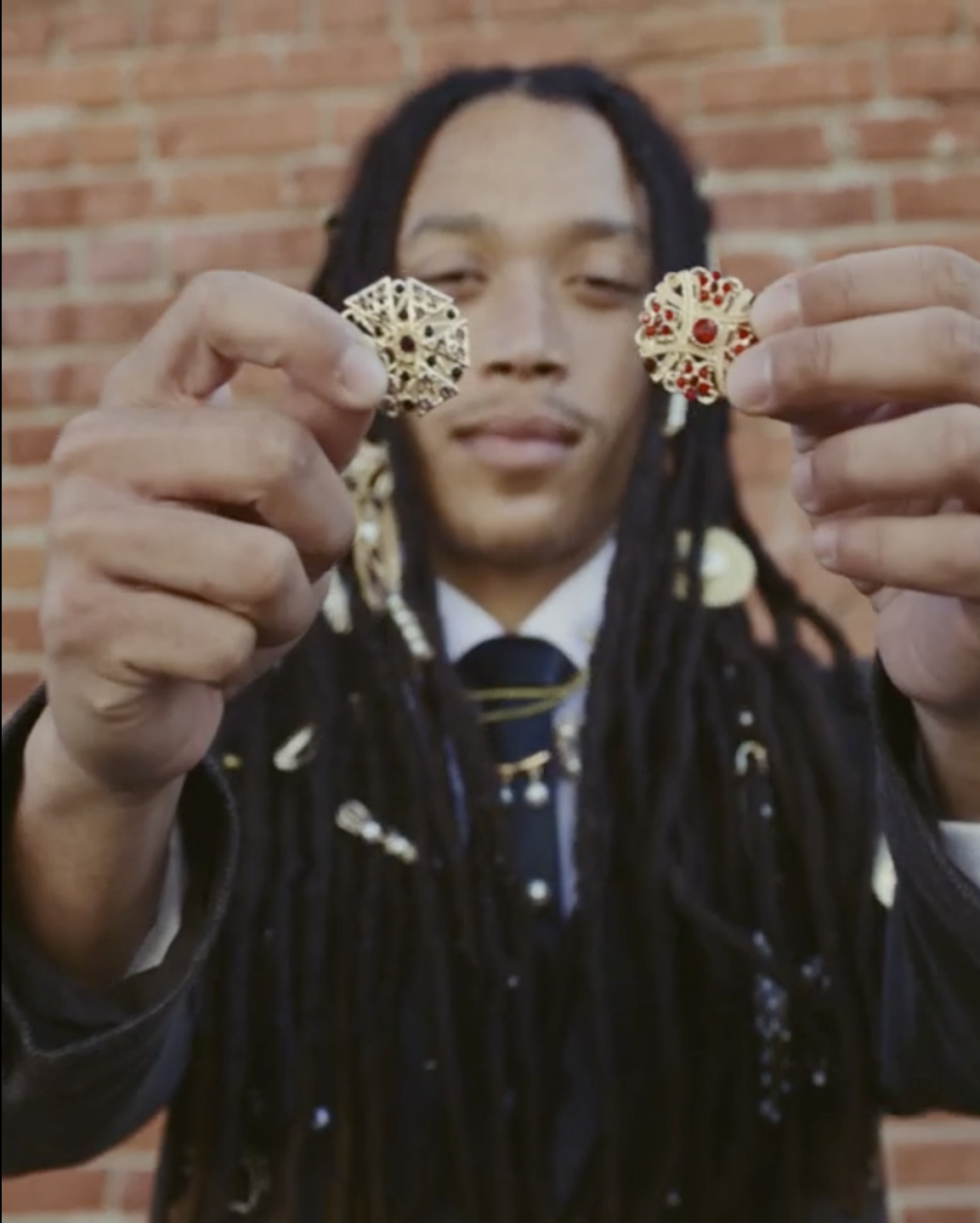
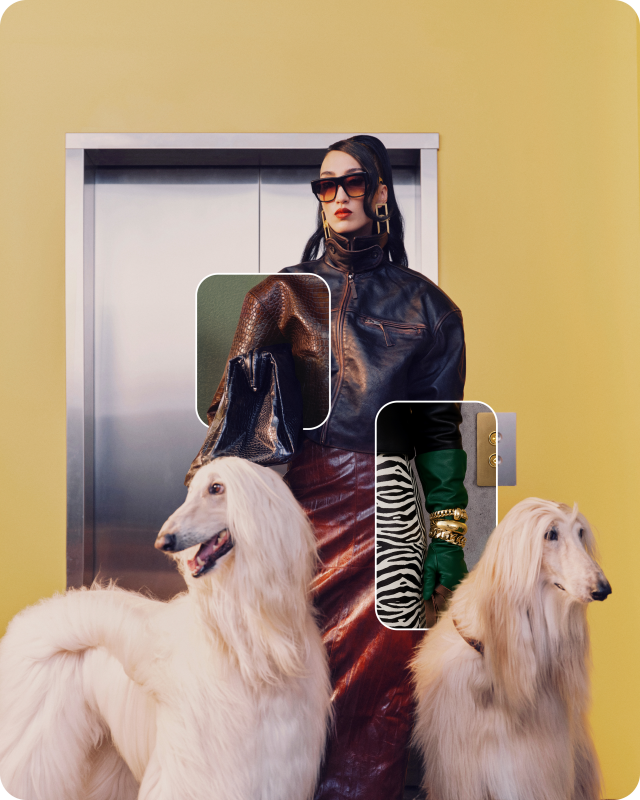
Sydney: I think you might be spot-on about pimple patches becoming an adornment. The Brooched trend is fundamentally about ornamental self-expression and turning functional items into statement pieces. We’re already seeing this translate to beauty with decorative face gems, artistic bandages, and embellished skincare patches becoming less about hiding imperfections and more about celebration and adornment. It’s the same impulse driving Laced Up, where intricate details become the focal point. Beauty is becoming more about maximalist decoration and less about perfection.

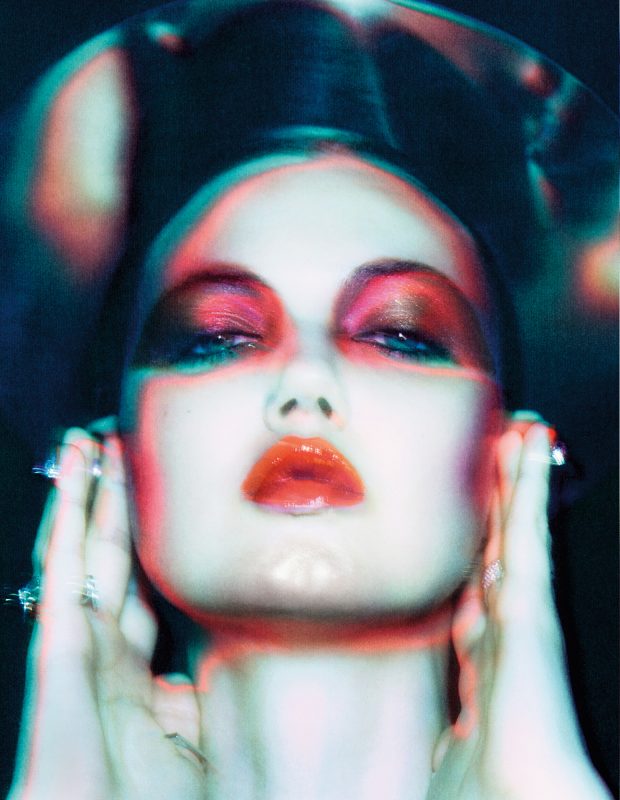
Photos: PR

TUSH: Pinterest searches for „Mystic Worlds“ and „Extra Celestial“ are on the rise. Are these trends primarily a form of escapism, or do they signal a deeper spiritual connection among users? 

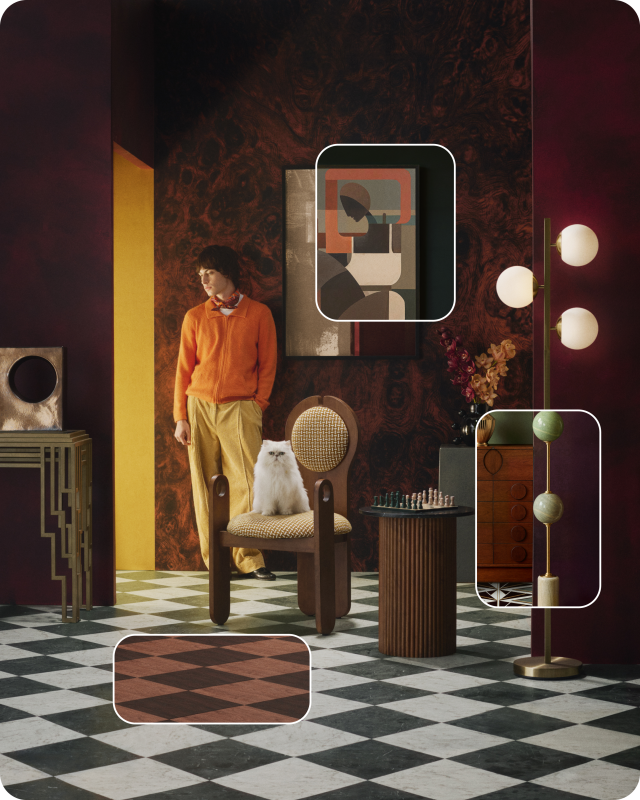
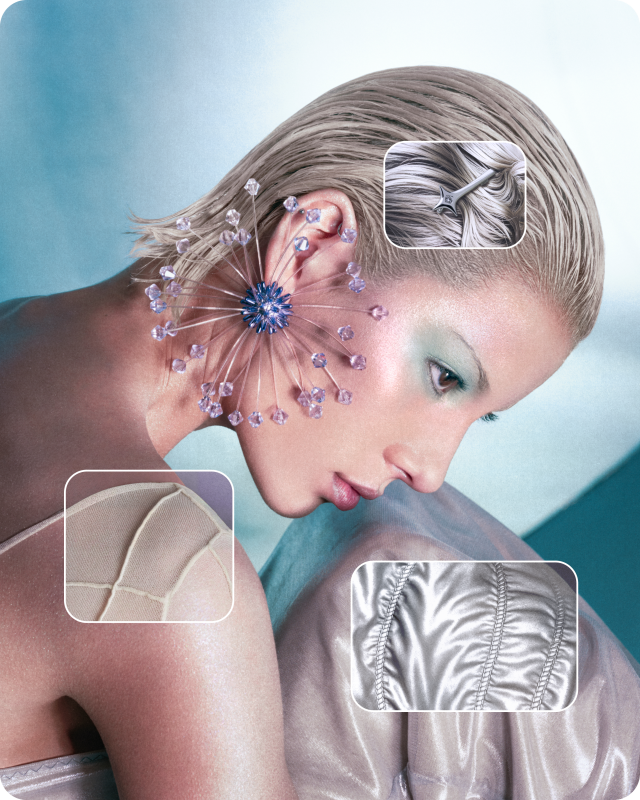
Sydney: It’s both, and that’s what makes it so compelling. Our research shows escapism is the number one source of joy for people right now, and trends like Extra Celestial and Mystic Outlands offer that imaginative detour people are looking for. But there’s also genuine spiritual seeking happening. People are looking for meaning, magic, and wonder in a world that feels increasingly chaotic. Searches for „alien inspired makeup“ are up 140%, „ethereal places“ up 45% – this isn’t just aesthetic, it’s emotional. People are using these mystical, cosmic themes to reconnect with a sense of possibility and transcendence. It’s escapism with intention, if that makes sense. Beauty and fashion become the vehicle for accessing something that feels larger than everyday life.


TUSH: Both „Parfum Layering“ and „Chaos Chic“ reflect forms of style pluralism. Could these trends be a response to the overwhelming influx of information and aesthetics that users are weaving together on Pinterest? 

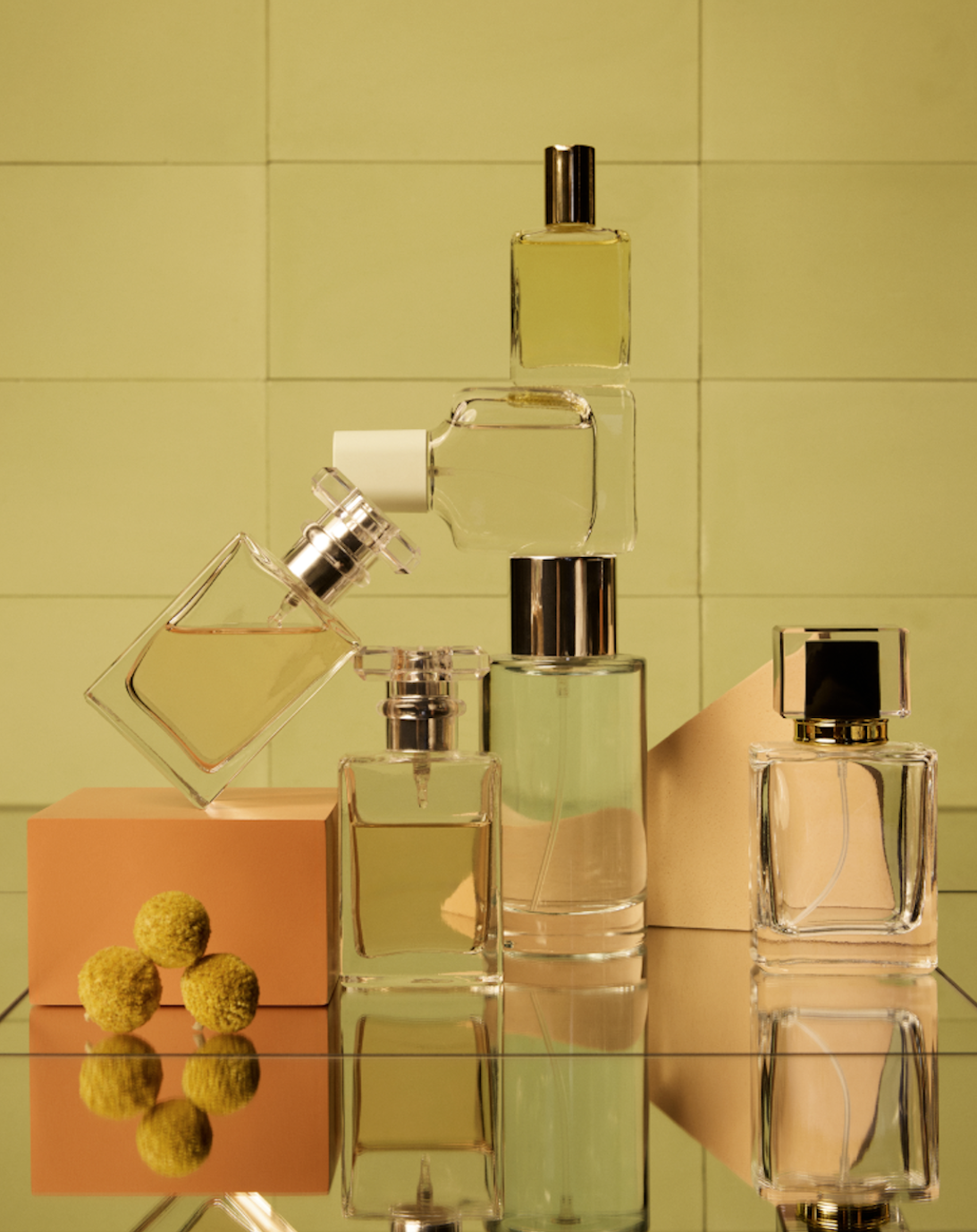
Sydney: We’re seeing 42% of people globally only adopt trends that truly suit them – they’re being highly selective amid the chaos. Scent Stacking and Glitchy Glam are responses to trend overload, but instead of shutting down, people are taking control by remixing and personalizing. They’re saying, „I’ll take this element and that element and create something uniquely mine.“ It’s curation as self-preservation. Rather than feeling pressured to adopt one singular aesthetic, people are giving themselves permission to be contradictory, experimental, and fluid. This pluralism is actually empowering – it’s about agency in a world of endless options. Pinterest enables this because we’re not about social comparison; we’re about personal exploration.


TUSH:  Poetcore is a growing aesthetic trend. How might this approach manifest in the beauty sphere, and what would „Poetcore Beauty“ look like? 

Sydney: I imagine Poetcore Beauty being intellectual, romantic, and effortlessly undone. Think minimal makeup that looks like you’ve been lost in thought – slightly smudged kohl, a bare lip with maybe a berry stain, skin that’s luminous but not overly contoured. The focus would be on looking naturally flushed, like you’ve just come in from a windy walk or stayed up late writing. Vintage-inspired tortoiseshell glasses as a beauty accessory, messy side parts, maybe a velvet ribbon in the hair. The key is it’s anti-perfection – it celebrates imperfection as a sign of depth and creativity. Products would be simple, classic, possibly vintage packaging. It’s beauty that whispers rather than shouts, that prioritizes authenticity over optimization.

"Celebrating asymmetry and imperfection is fundamentally challenging the industry's obsession with perfection."

TUSH: Which five trends do you think have the most potential to define the future of beauty? 

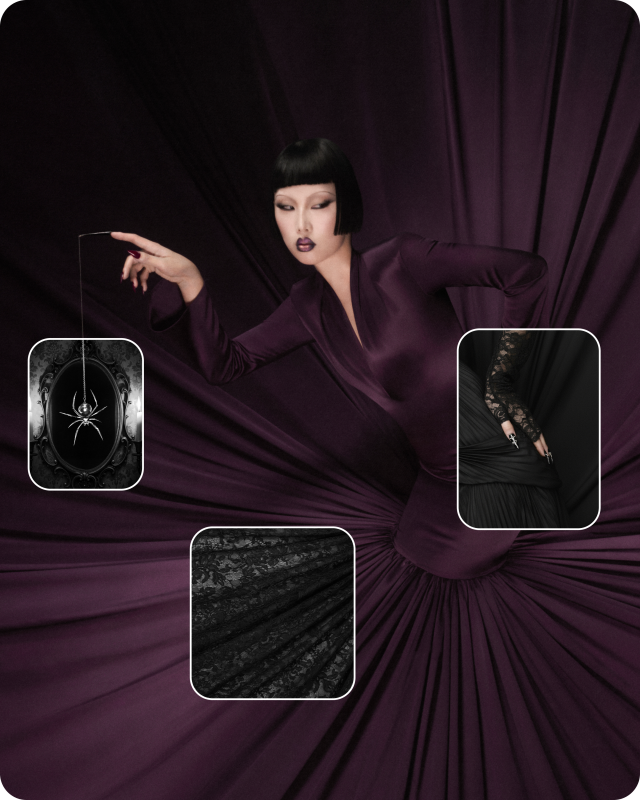
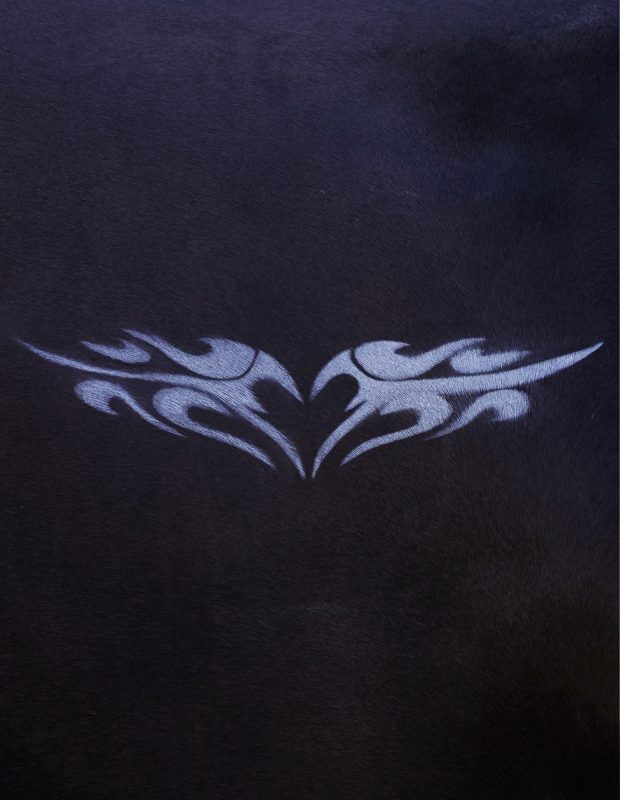
Sydney: First, Scent Stacking – it’s revolutionizing how people think about fragrance as customizable and personal rather than predetermined. Second, Glitchy Glam – it’s breaking beauty rules and celebrating asymmetry and imperfection, which fundamentally challenges the industry’s perfectionism. Third, Gimme Gummy – the tactile, translucent, ASMR quality is creating entirely new product textures and experiences. Fourth, Vamp Romantic – it’s bringing drama and gothic glamour back, rejecting the „clean girl“ minimalism that’s dominated. And fifth, Cool Blue – as a cross-category color trend, it’s going to define the visual language of beauty. These five trends span product innovation, aesthetic rebellion, sensory experience, and emotional expression.

Photos: PR

TUSH: Which beauty trend, based on Pinterest search data and user interests, has surprised you the most? 

Sydney: Honestly, Laced Up. Seeing searches for „lace nails“ up 215% and „lace makeup“ up 120% was unexpected because lace feels so traditionally delicate and feminine, but people are using it in completely punk, rebellious ways. They’re putting lace patterns on everything – nails, eye makeup, even creating lace-inspired contour patterns. It’s this beautiful contradiction of something vintage and romantic being used to create edge and individuality. It shows how trends can be completely recontextualized when people make them their own. Lace is having a genuinely subversive moment, and I didn’t see that coming. It’s a reminder that trends are alive – they evolve in unexpected directions based on how people actually use them.


TUSH: How do you see Pinterest shaping new beauty product innovations? Are there any emerging beauty categories or niche products that are gaining traction based on Pinterest searches? 

Sydney: With our insights we’re able to see early signals that can predict entire category shifts. Right now, jelly and rubberized textures from Gimme Gummy are going to drive innovation in formulations – think bouncy, tactile products that offer sensory satisfaction. Customizable, layerable products inspired by Scent Stacking can grow beyond fragrance into skincare and color cosmetics. We’re also seeing demand for decorative, non-corrective beauty items, such as face gems, artistic patches, ornamental accessories inspired by Bro’ches. And asymmetrical beauty tools and products that facilitate intentional imperfection from Glitchy Glam. The opportunity is creating products that invite participation and personalization rather than promising perfection.


TUSH: There seems to be a growing connection between beauty and wellness. Do Pinterest searches reflect this shift, and how are beauty trends evolving to include elements like mental health, self-care, and holistic beauty? 

Sydney: Absolutely. Our research shows 55% of global consumers prioritize comfort in their daily lives, and beauty is increasingly seen as a self-care ritual rather than just a cosmetic routine. Even Mystic Outlands and Extra Celestial beauty aesthetics offer imaginative escape and emotional transport. The line between beauty and wellness is dissolving because people recognize that how you feel matters as much as how you look. Pinterest searches reflect this – people are saving content about calming beauty rituals, meditative makeup application, products with aromatherapeutic benefits. Beauty is becoming holistic self-care.

Photos: PR

TUSH: With the rise of AI tools and visual search, how do you think AI is influencing beauty trends on Pinterest? Are there new technologies driving beauty discovery and product recommendations on the platform? 

Sydney: This year we integrated Generative AI into Pinterest Predicts for the first time to support us analyze trends, but our trends still emerge from real human behavior and are curated by our expert team. What’s exciting about AI for beauty discovery is how it’s enhancing visual search. AI is helping people discover products they didn’t know existed based on aesthetic preferences rather than just keywords. It’s making beauty discovery more intuitive and visual. But importantly, AI is a tool that supports human creativity and curation on Pinterest, not something that replaces it. The trends themselves come from what real people are genuinely searching for and saving.


TUSH: How do you see the future of beauty-related content on Pinterest evolving? Will the platform continue to be a space for tutorials, product recommendations, or is there room for more immersive beauty experiences, like virtual try-ons or AI-driven consultations? 

Sydney: Pinterest will always be about inspiration first. But we’re absolutely evolving to make the journey from inspiration to action more seamless. We’re already enabling shopping directly on the platform, and I think we’ll see more integration of personalized recommendations that help people confidently move from „I love this look“ to „I can create this look.“ What makes Pinterest unique is that people come to us in a planning mindset without social comparison pressure, so they’re more open to experimentation. The future is maintaining that inspirational, low-pressure environment while adding tools that make it easier to actually try the trends. Think less „perfect tutorial to replicate exactly“ and more „creative territory to explore with tools that help you make it your own.“


TUSH: There’s a growing presence of AI-driven content on Pinterest, particularly in the beauty space. Do you think the inspiration derived from AI trends is outpacing their actual applicability in the beauty industry, or is the technology already translating into real-world products and experiences? 

Sydney: What sets Pinterest apart is that we’re fundamentally about actionability – people come to us to plan and do. Content has to inspire real behavior and translate into products people can actually try. In many ways, this can work beautifully. Trends like Extra Celestial or Glitchy Glam might be amplified by AI-generated imagery, but they’re translating into genuine product purchases and real makeup looks because they tap into authentic desires. So AI content on our platform needs to be additive and actionable, not just visually interesting. Importantly, we’ve introduced Gen AI labels to give users transparency and control over the AI content they see, with tools that let them adjust how much AI

content appears in their feed. Their experience should stay relevant, inspiring, and actionable the way they want it. AI enhances creativity, but humans decide what resonates and what they’ll actually wear. On Pinterest, 88% of our predicted trends over the past six years have come true because they’re rooted in genuine intent – AI is a catalyst, not a replacement for real human desire.


TUSH: Which color trending on Pinterest for 2026 do you think holds the most potential for beauty? 

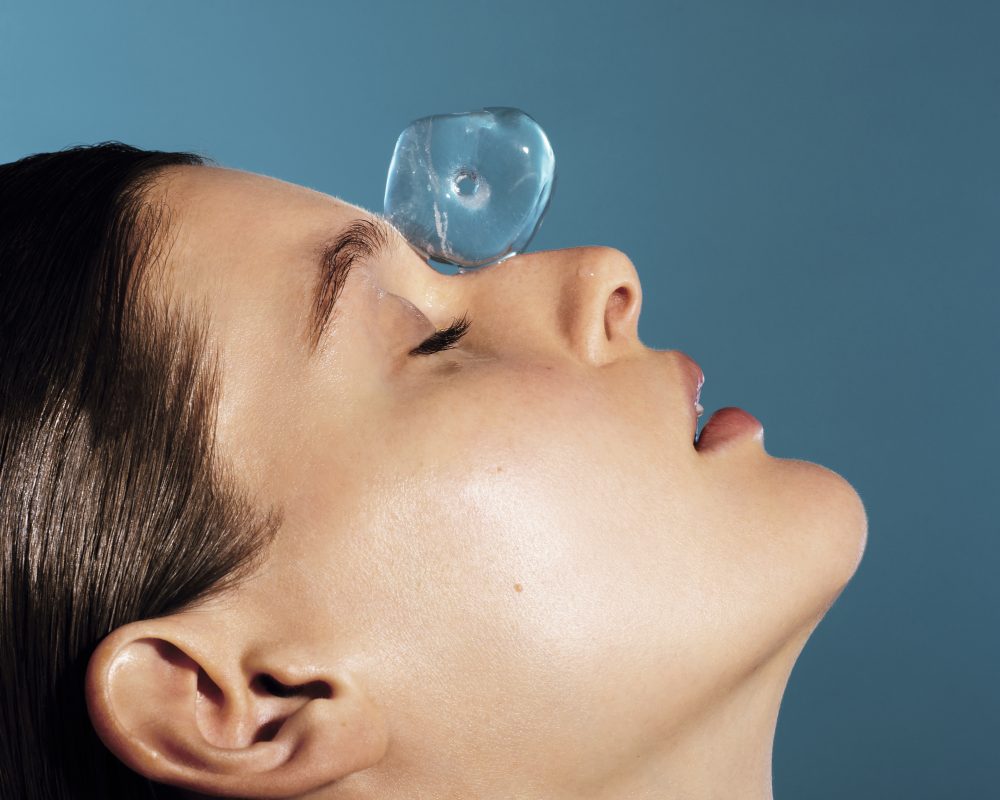
Sydney: Cool Blue is absolutely a trend to watch for beauty. We’re seeing it surge across categories – „icy blue“ is up 50%, „frosted makeup“ up 150% – and it has this versatile, futuristic quality that works everywhere from eyeshadow to nail art to even hair color. What makes it so powerful is that it’s simultaneously editorial and wearable. It photographs beautifully, which matters in our visual-first world, but it also feels fresh and modern in a way that stands out from the warm, terracotta tones that have dominated recently. Cool Blue offers that subzero sophistication people are craving as a refreshing counterpoint to everything else. But honestly, all trends have the potential to rise and become a staple in your wardrobe or make-up – that’s what’s so compelling about the trends we forecast.
INTERVIEW: Fabian Hart
PHOTOS: PR

Anzeige

Archiv
Impressum / Imprint
Datenschutz / Privacy Policy
AGB / Terms of Use
Cookie Check