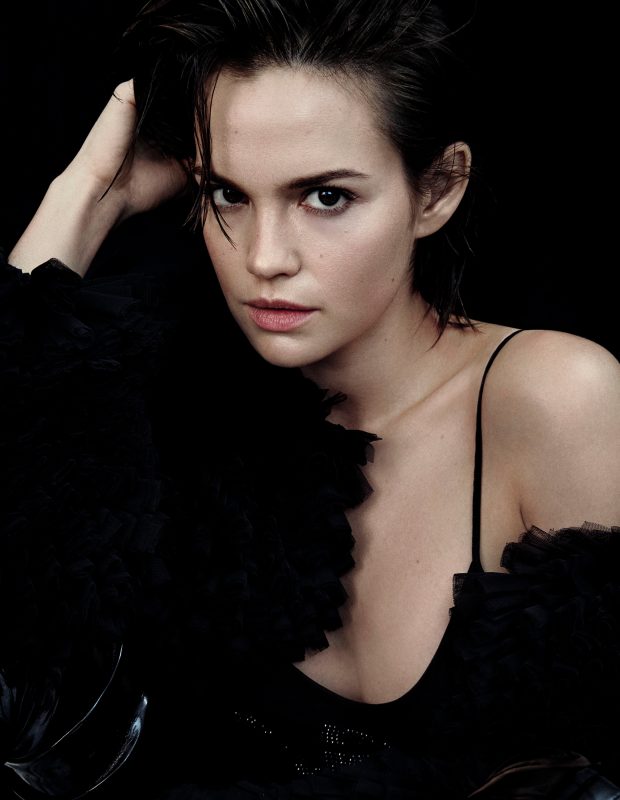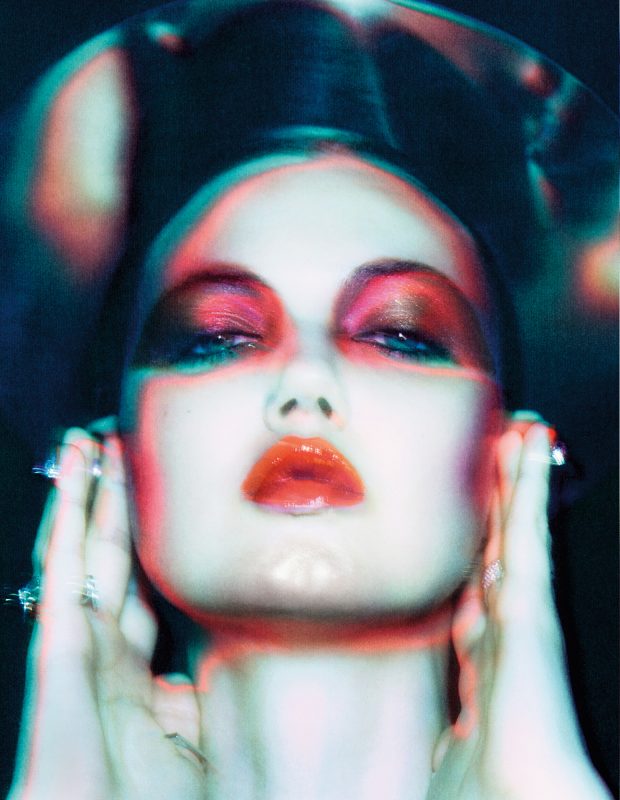
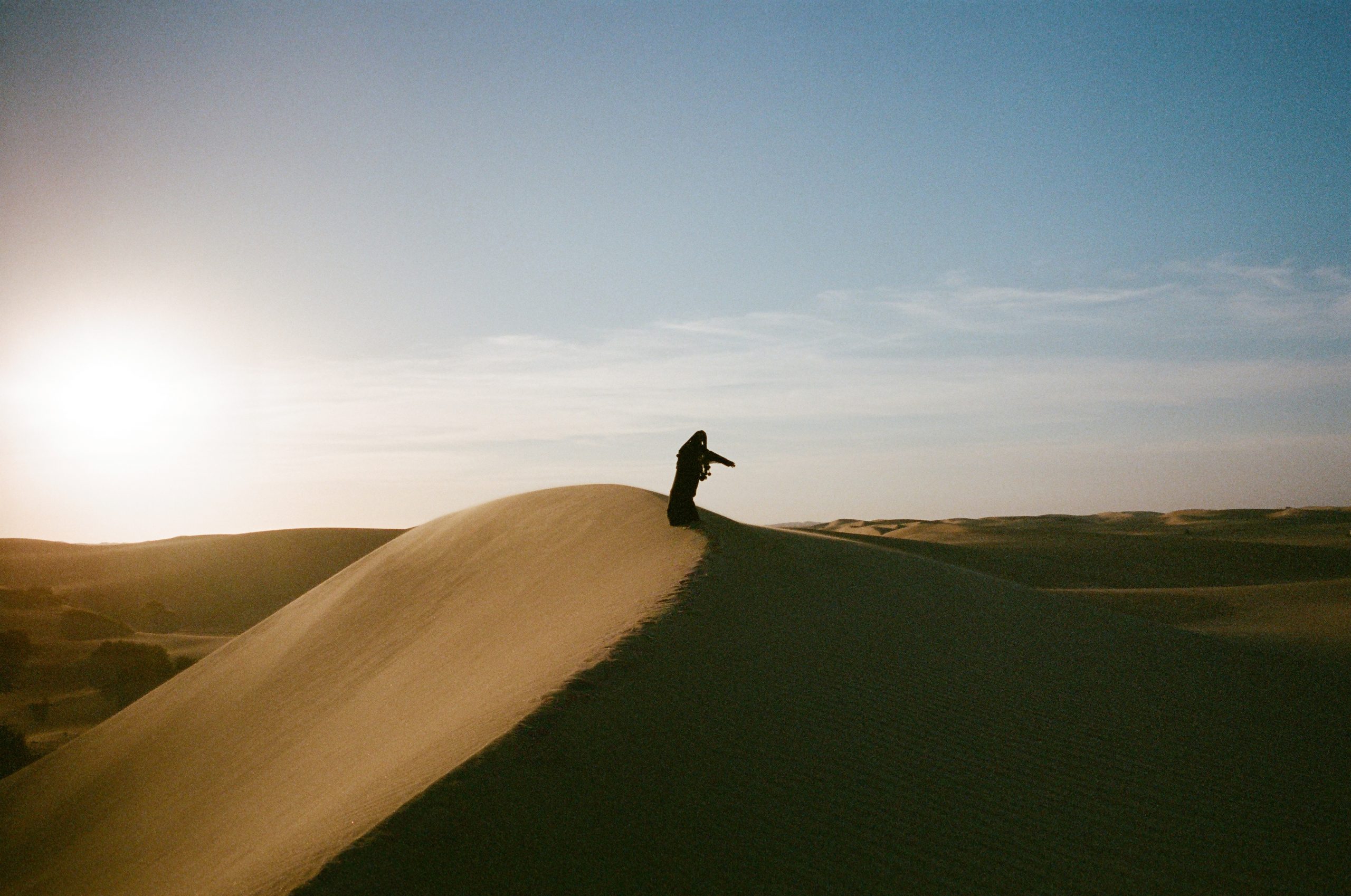
A whisper one second, an outcry the next: Dua Saleh is a genre-defying artist whose voice moves with striking elasticity. With many layers in their work: poetry, allegories, and a deep reverence for Mother Earth, their music is not just a joy to listen to but also one to decode and engage with on political and philosophical levels. At its core, there’s a tension of dualities: the organic and the artificial, earth and wires, with the human spirit suspended somewhere in between the now and the future. In conversation with TUSH author Fiona Frommelt, they trace the evolution of their sound, moving through fragments of poetry stored in their Notes app and the quiet currents of environmental justice running through their choruses.
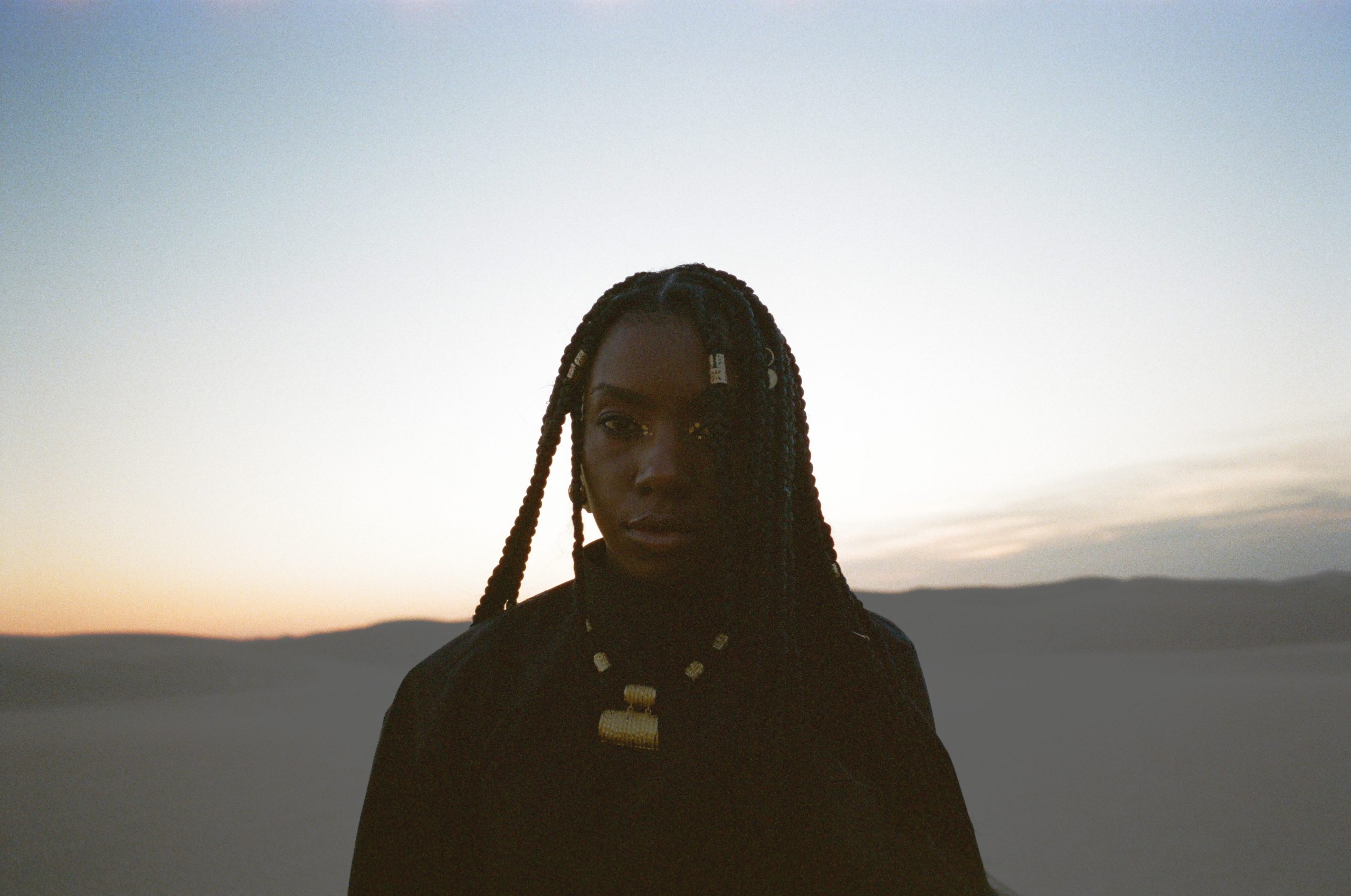
TUSH: Dua, what is it that you find beautiful?
DUA SALEH: When I look into the eyes of a kind soul who holds empathy and compassion in their heart, that’s when I feel the divinity of the universe most.
Do you remember the very first thing you ever wrote?
I don’t quite remember, honestly. I’ve been surrounded by poetry from birth because Sudan is a poetry hub. I did get my first poem published in a book at around age 12 after submitting it to a writing competition.
Are you still writing poems that stay poems, or does everything eventually turn into a song?
Poetry lives in the bloodstream of the universe that this project lives in. Some of the storytelling in my album for ‘Of Earth & Wires’ was influenced by poetry that I was writing in my private life. I haven’t performed spoken word publicly in a long time, but I have noticed that being an actor has helped me hone my craft in emotive performance.
If you’ve got something fresh in your notes app, can we hear a snippet?
As Athena smokes reflection into you,
The chiming of the wind ensnares you into my dreams.
My eyes, left worn from bruising into these swollen pupils,
abandon sight’s grip and reason — for you waft into me.
An arrogant stench that fetters me to this sickly Earth.
Just like your poetry, your music is full of allegories. Can you let us in on one?
In the song “Glow” feat. Bon Iver, I use more descriptive words and phrases. Although I find it is a more risqué approach to writing lyrics, I snuck an environmental justice ethos into them. In my second verse, I wrote: “Didn’t I tell you the party was over? I never could tell,” which indicates my panic about global warming and climate change. I’m basically looking straight into the camera before saying “we’re so cooked chat”. I wanted to be discreet since the song’s vibe is so tough. I hope it’s balanced and thought-provoking.
There’s so much genre-bending happening, so much variety in your songs, rhythm, tone, and power behind your voice. How do you create such a variety in your process?
Thank you so much! I think I’m just blessed because I have an immense passion for listening to music and watching live performances. Those things will really bleed into your psyche, and eventually, you’ll be influenced by the profound world of sound that we live in.
Often, you refer to Earth in the feminine form: Mother Earth. What does it mean to you to live in tune with her in 2026?
Yes! Femininity has always been a place of comfort for me, especially as a Gender & Sexualities major. Earth holds everything vital to our existence, much like how a mother does with their child when we’re born. I hope the respect and love that the overwhelming majority of people on this planet have for their mothers can be translated with the same potency and care towards our planet Earth. She’s our only mother.
Does making music feel like a way to document or navigate this?
Sometimes you just wanna sing.
Simultaneously, your music has quite a few political and philosophical undertones…
Yes indeed, my latest album uses Afrofuturism philosophy and sci-fi for storytelling. I’m using the history of the Afro-diaspora and my lived experience to talk about two twin-flame lovers and, basically, to imagine how their love would survive on a post-apocalyptic Earth. With environmental justice theories im predicting the state of the world after complete climate collapse and destruction. In this album, the lovers from my first album survive the apocalypse. They’re trying to make sense of this new world and hoping not to forget what it was like to be human before the AI tech infrastructure took over and subsequently collapsed in on itself. The new world is a technological wasteland, filled with scavenging groups of surviving people. They’re trying to hold on to what little humanity and culture they have left. It’s also an allegory for all of the civil unrest and imperialism that has occurred in Sudan.
What’s your vision for the future of our shared home planet?
I think being Sudanese and having nomadic roots have shaped how I see the word “home” now. The places I’ve lived longest, Sudan, Minneapolis, Los Angeles, Cardiff, Wales, all experienced extreme climate emergencies while I lived there. It feels really daunting with the rise of AI, especially as it’s used in the throes of war. We’re witnessing sacred wildlife reserves and significant historical sites being destroyed for the sake of sociopolitical dictatorships and the monopoly on resources and space. It’s hard to think about these things when there’s so much impacting all of us right now, personally and politically, but it’s important to pay attention to what’s happening elsewhere. All of this will ultimately impact the lives of the incoming youth. They shouldn’t have to be wrought with paranoia and fear because of vile politics. I hope the children of this world get to enjoy life and the myriad blessings it has to offer.
Interview: Fiona Frommelt
Photography: Braden Lee