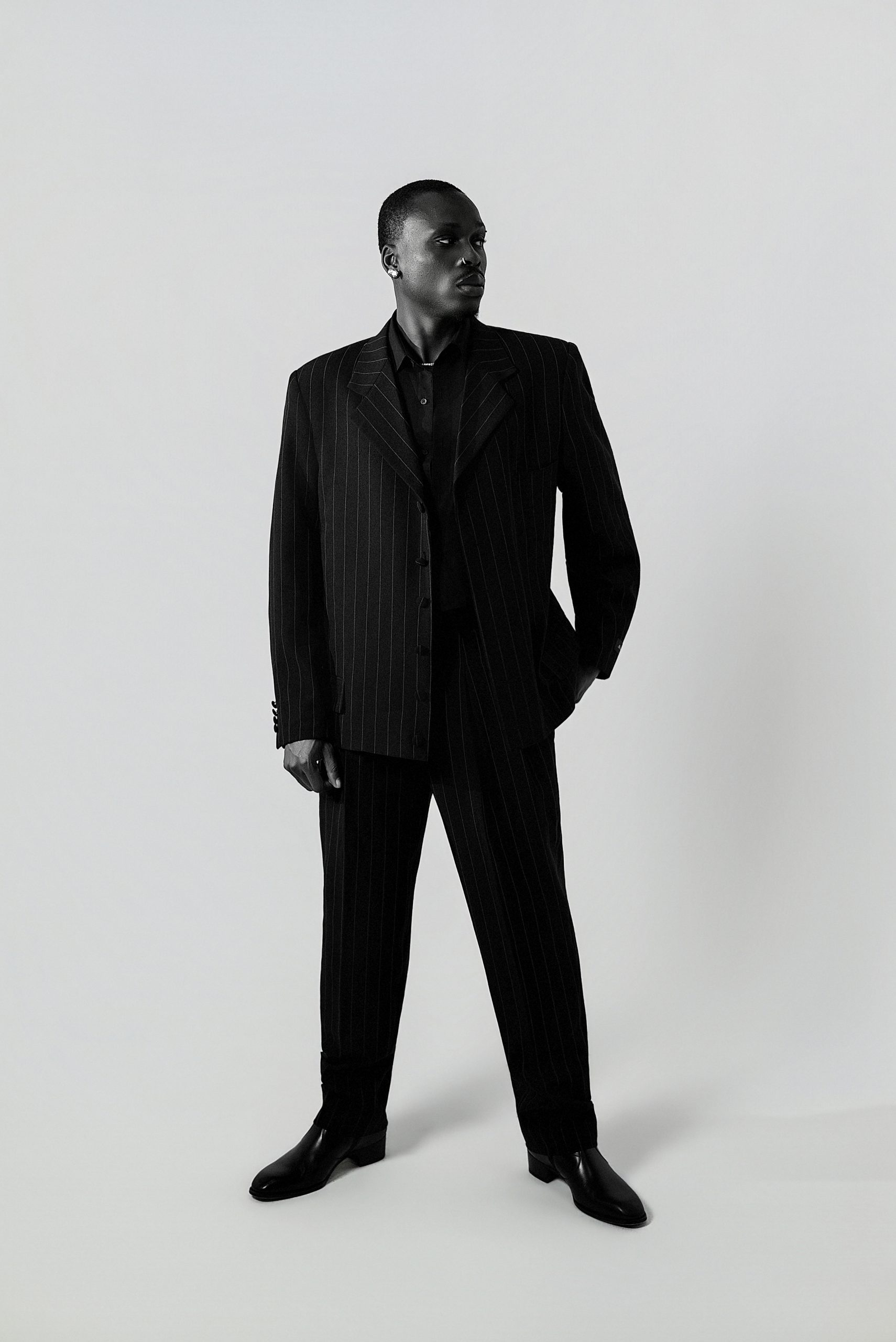
“It’s very hard to change an image that has been ingrained in people’s minds for so many years.”

As he enters a new chapter with ZUKO!, Fireboy DML reflects on the role of hair in his identity, the expectations that come with fame and his evolving understanding of beauty

At 30, Nigerian singer and songwriter Fireboy DML, born and raised in Abeokuta, has already moved through several distinct chapters of his career. Since breaking through with Jealous in 2019, he has built a global audience with a sound that moves between Afrobeats, R&B and pop, while his visual identity has evolved alongside the music.

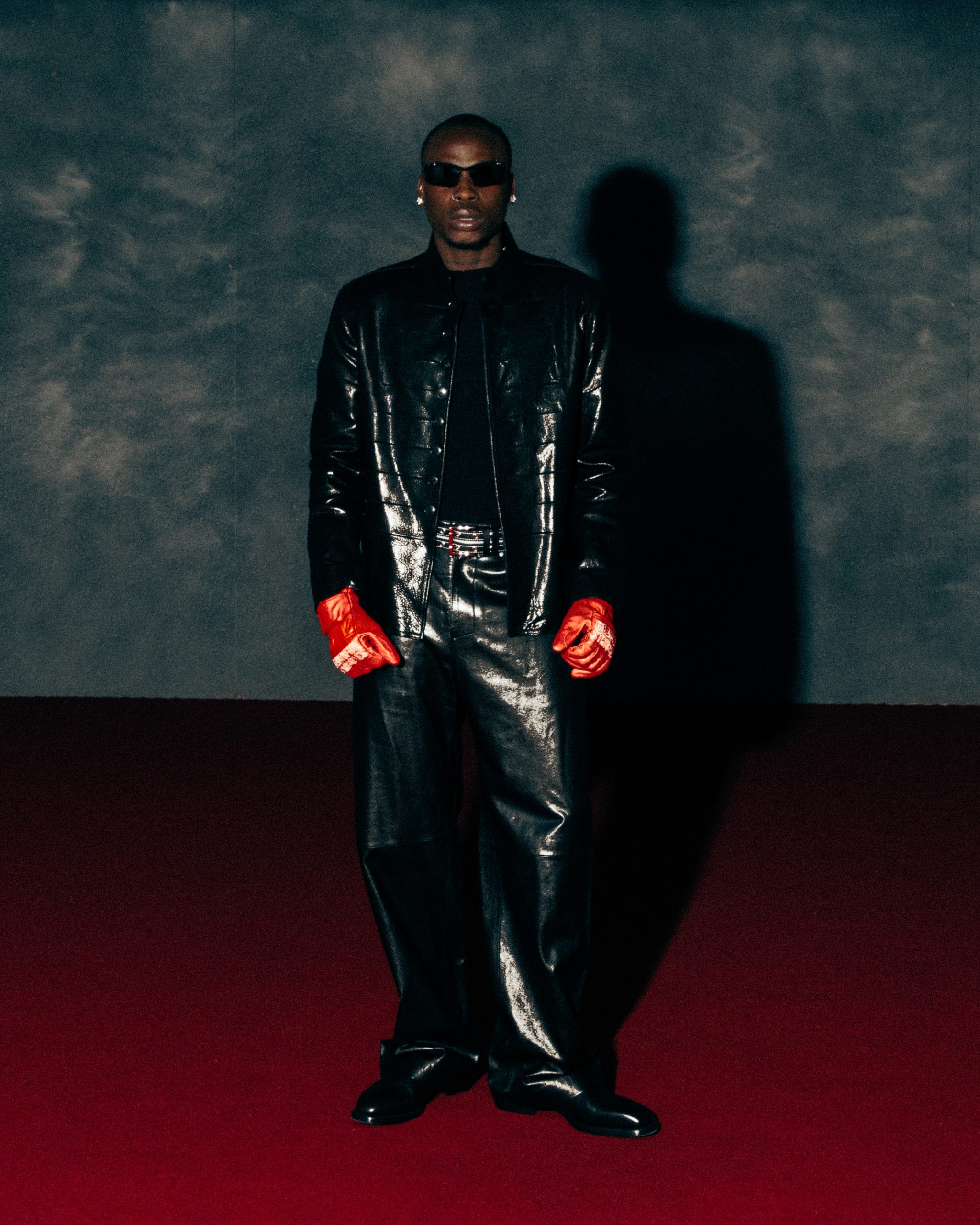
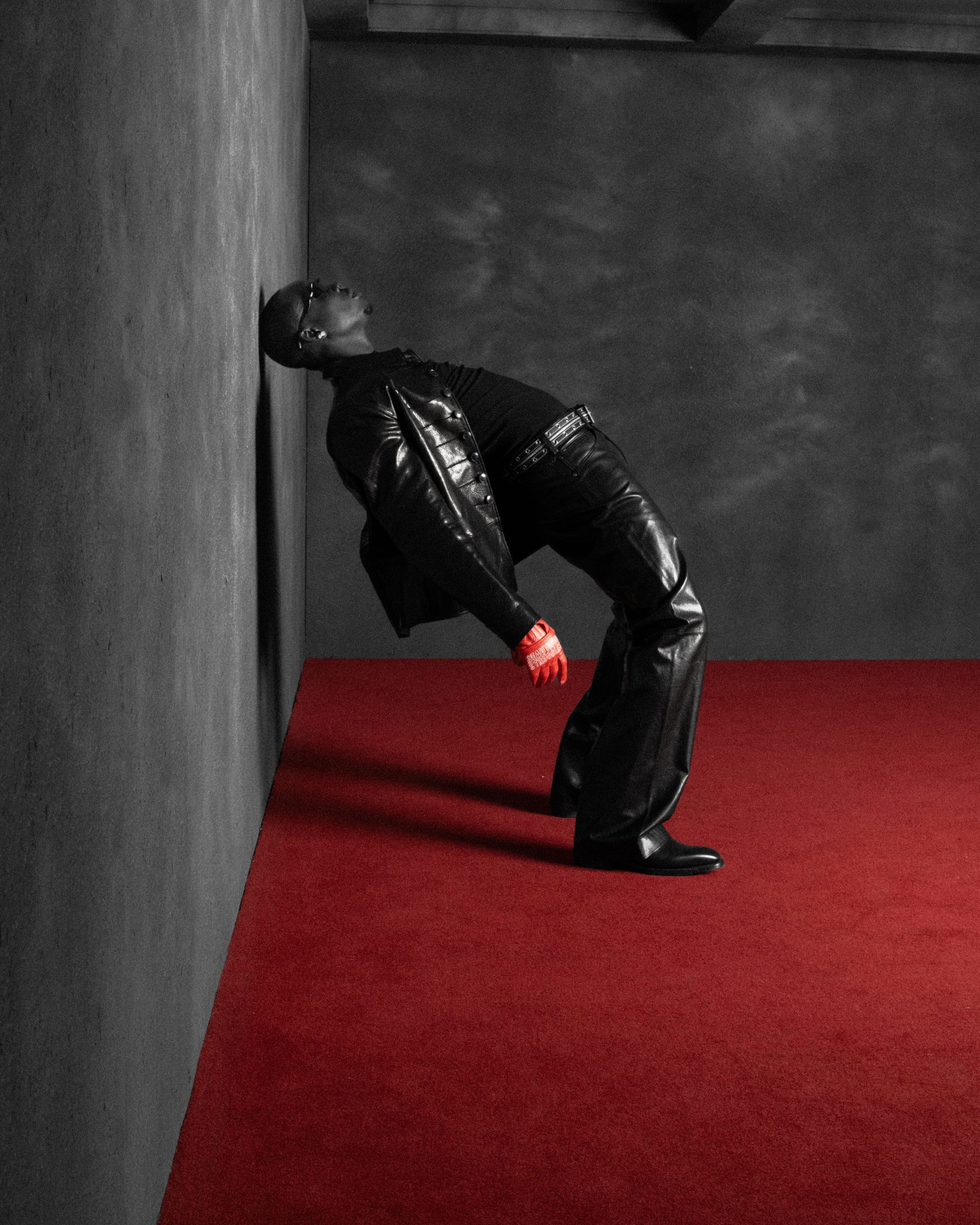
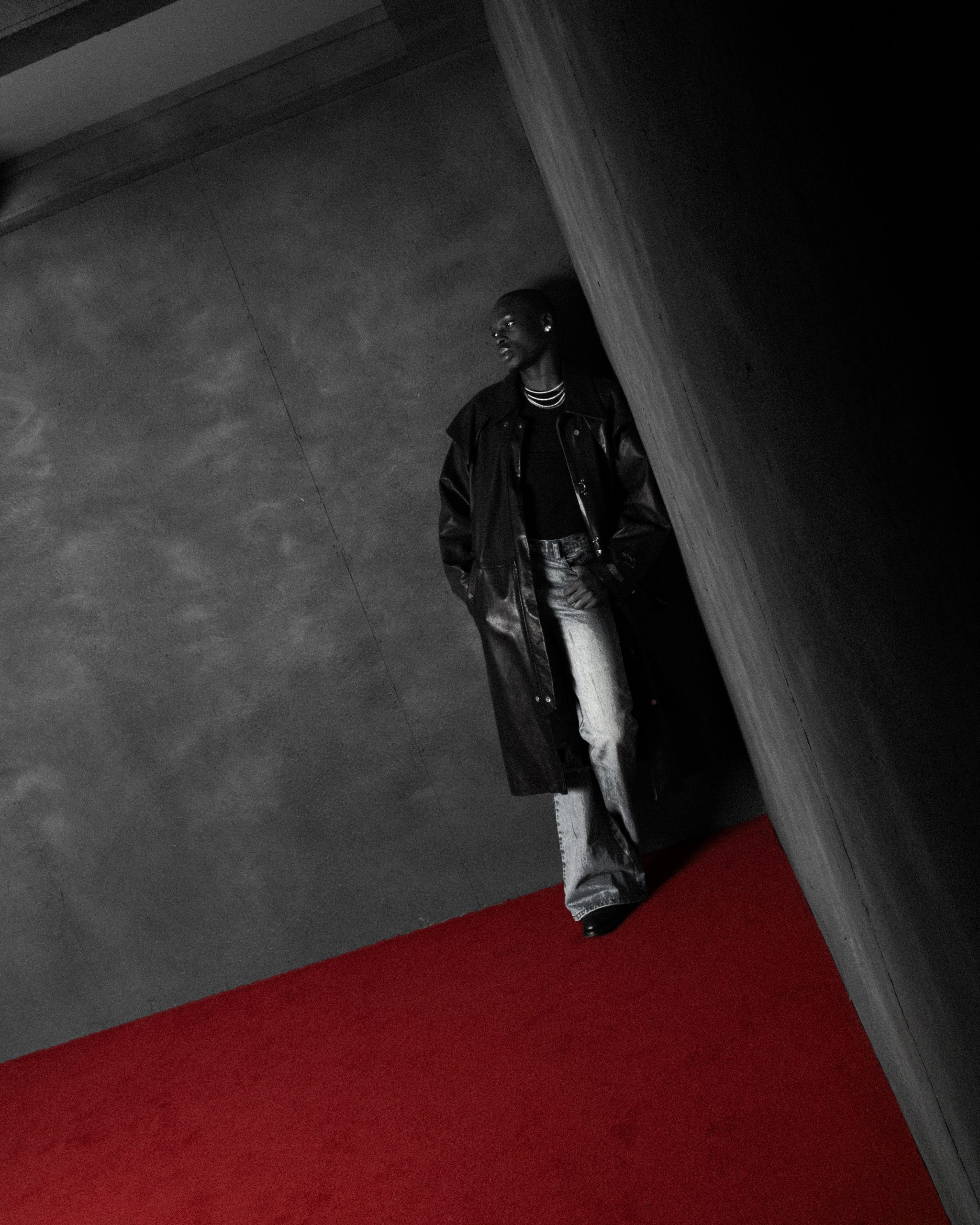
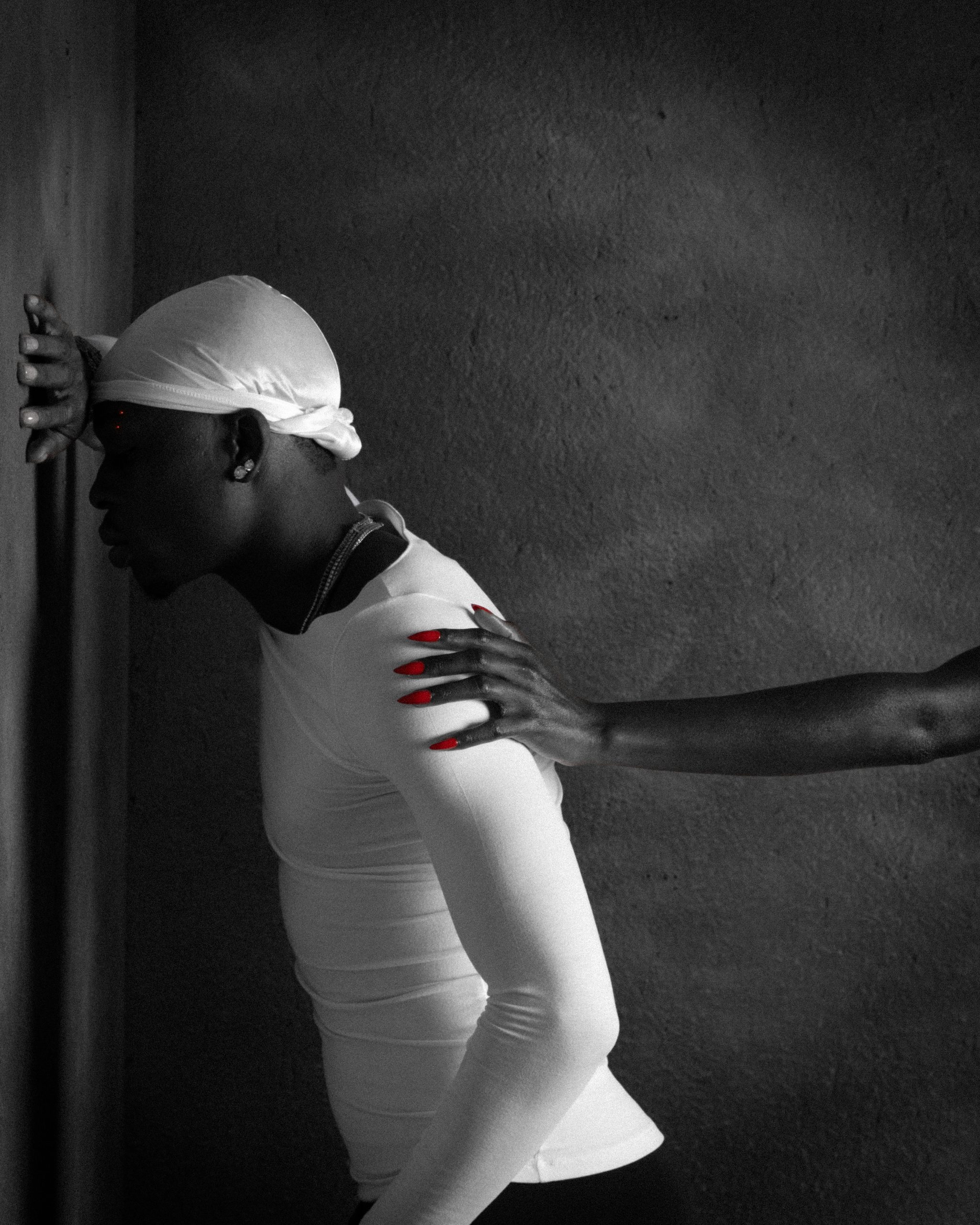
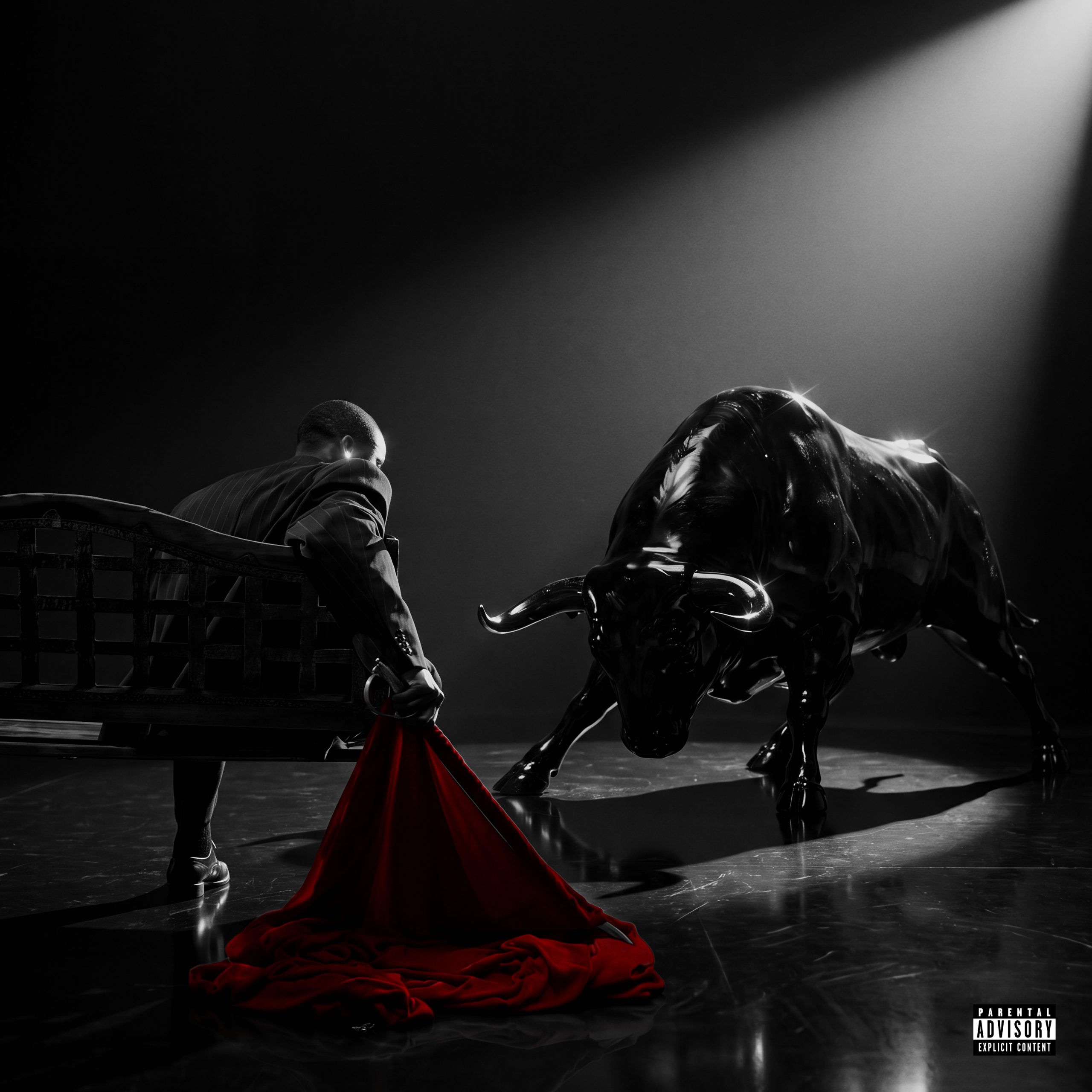
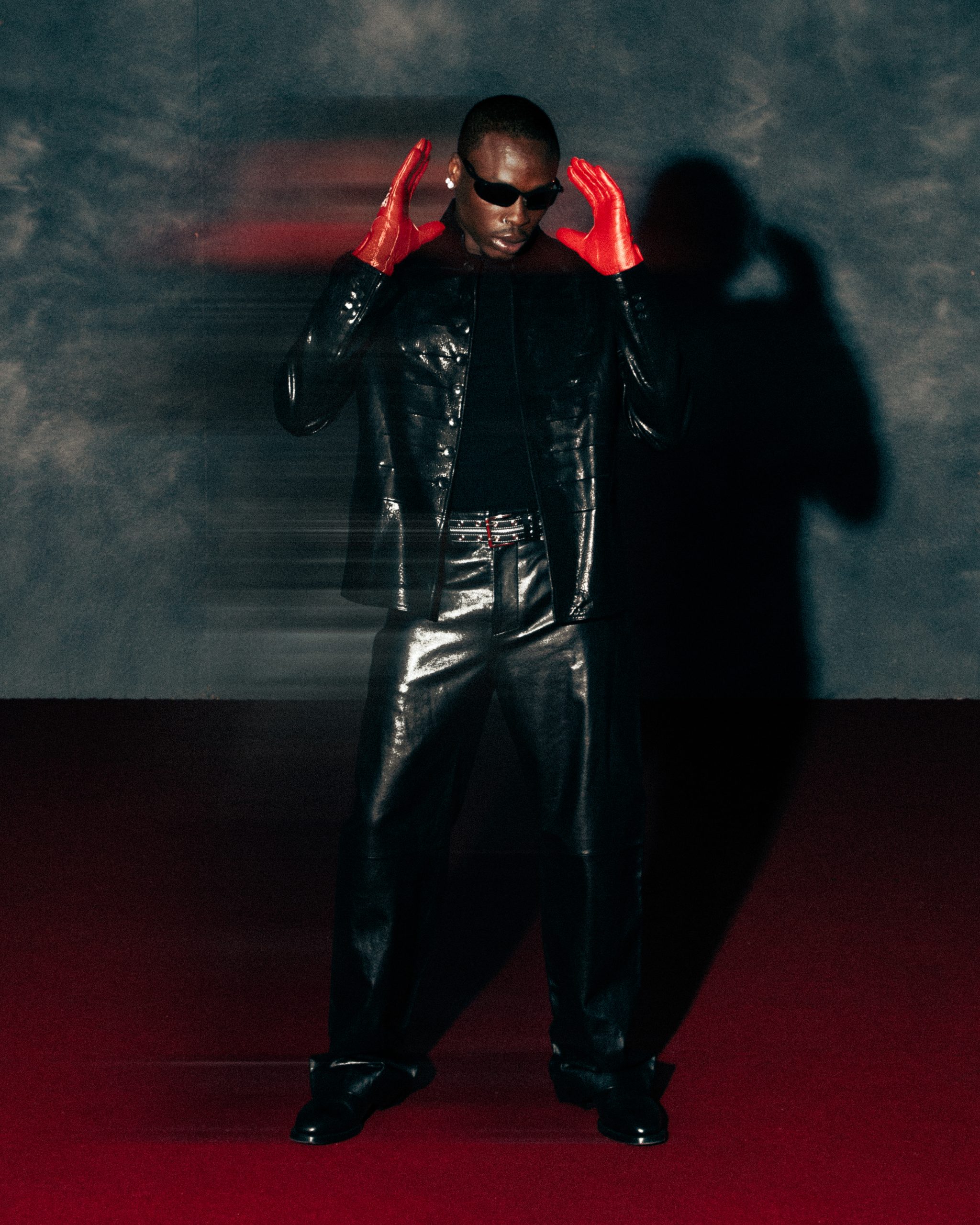
With his fifth studio album ZUKO! out today, Fireboy enters a new era. Its first images introduce a darker, more cinematic world, marking a clear departure from the softer visual language associated with earlier releases.

In conversation with TUSH editor Nosa Imafidon, Fireboy DML speaks about leaving an old image behind, the changing role of hair in his identity and finding more freedom in the way he sees beauty and self-expression.
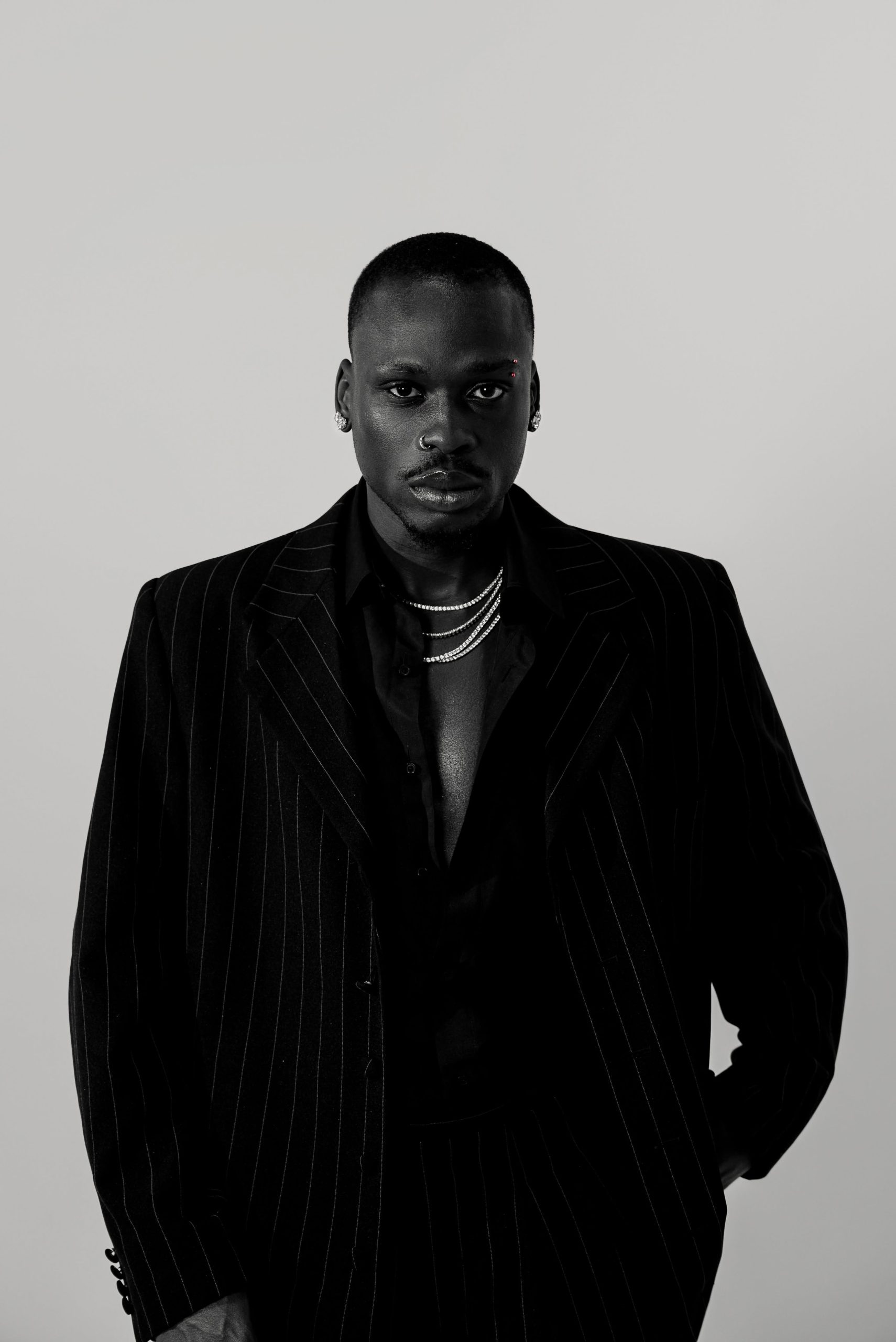
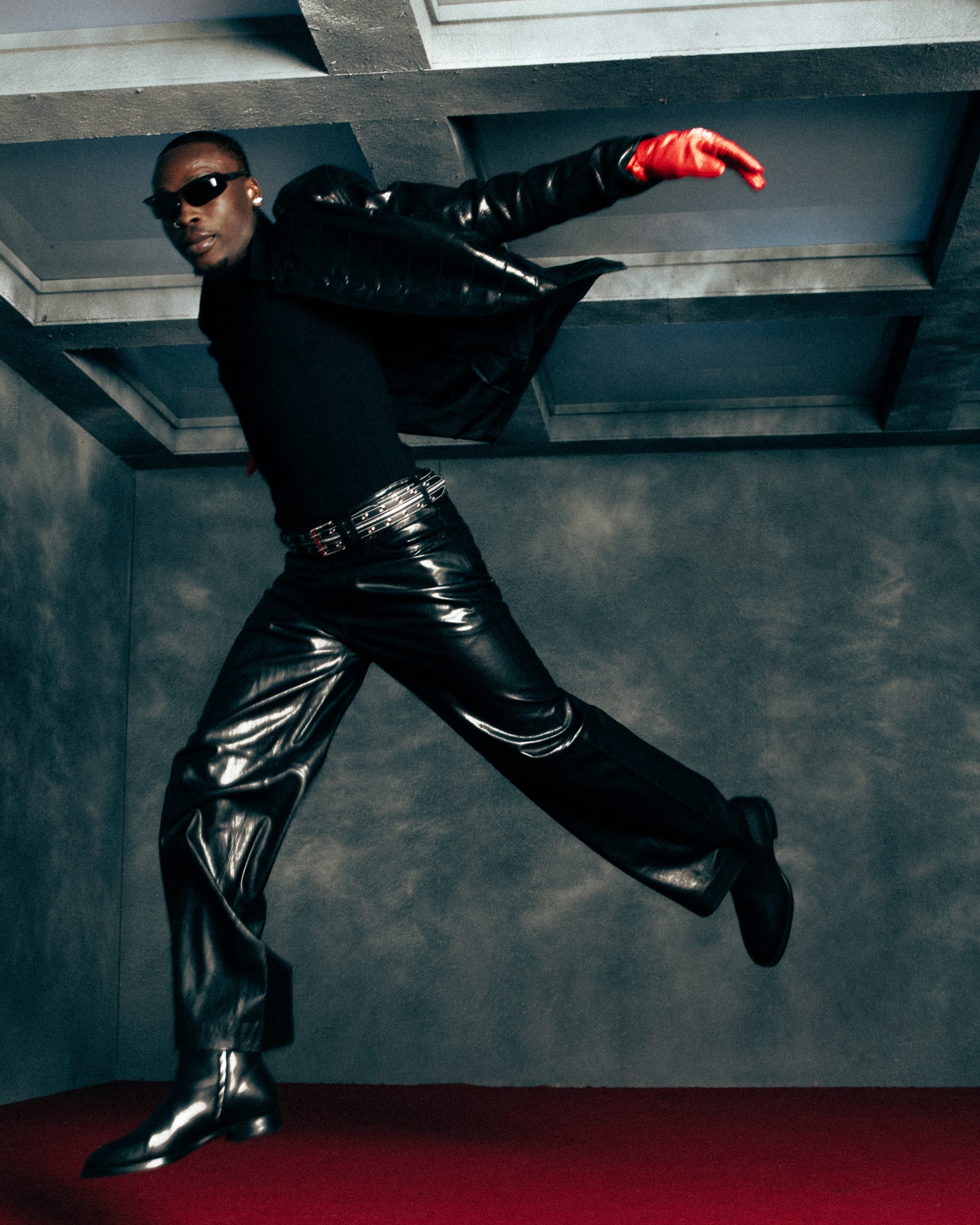
TUSH: The teaser for ZUKO! introduces a much darker visual language than we’ve seen from you before. What did you want that imagery to say about this new era?

FIREBOY DML: I think it’s pretty much self-explanatory in the sense that it’s all very dark. It just shows a switch, which to me is exciting personally, because I feel a change in me: a new era, a new way of life, a new experience.

Every fan knows that every album is a different experience. It’s just my way of documenting the different lives that I’ve lived. So this is a new era, a new visual experience.

It’s very dark, and that touch of red signifies danger. In this case, it signifies some level of anger, some pain. It depends on how you look at it.

Your last album carried your own name, adedamola, while ZUKO! already feels much more cinematic and constructed visually. If each album documents a different version of your life, does changing the way you look help you step into that new version of yourself?

Not necessarily, but it’s all part of the spice. When fans take in the music, they take in everything that comes with it.

You have to continually fix that alongside your vision. Sometimes I feel different and sometimes I want to look different.

And when the visual side becomes such a big part of how people experience the music, does that make you more protective of how you’re seen?

Ever since I became an artist, I’ve cared about a lot of things: the way people see things, perception.

All artists care about that a lot. Once you become an artist, it’s just something that comes with it.

Image is subjective also. But yes, definitely.

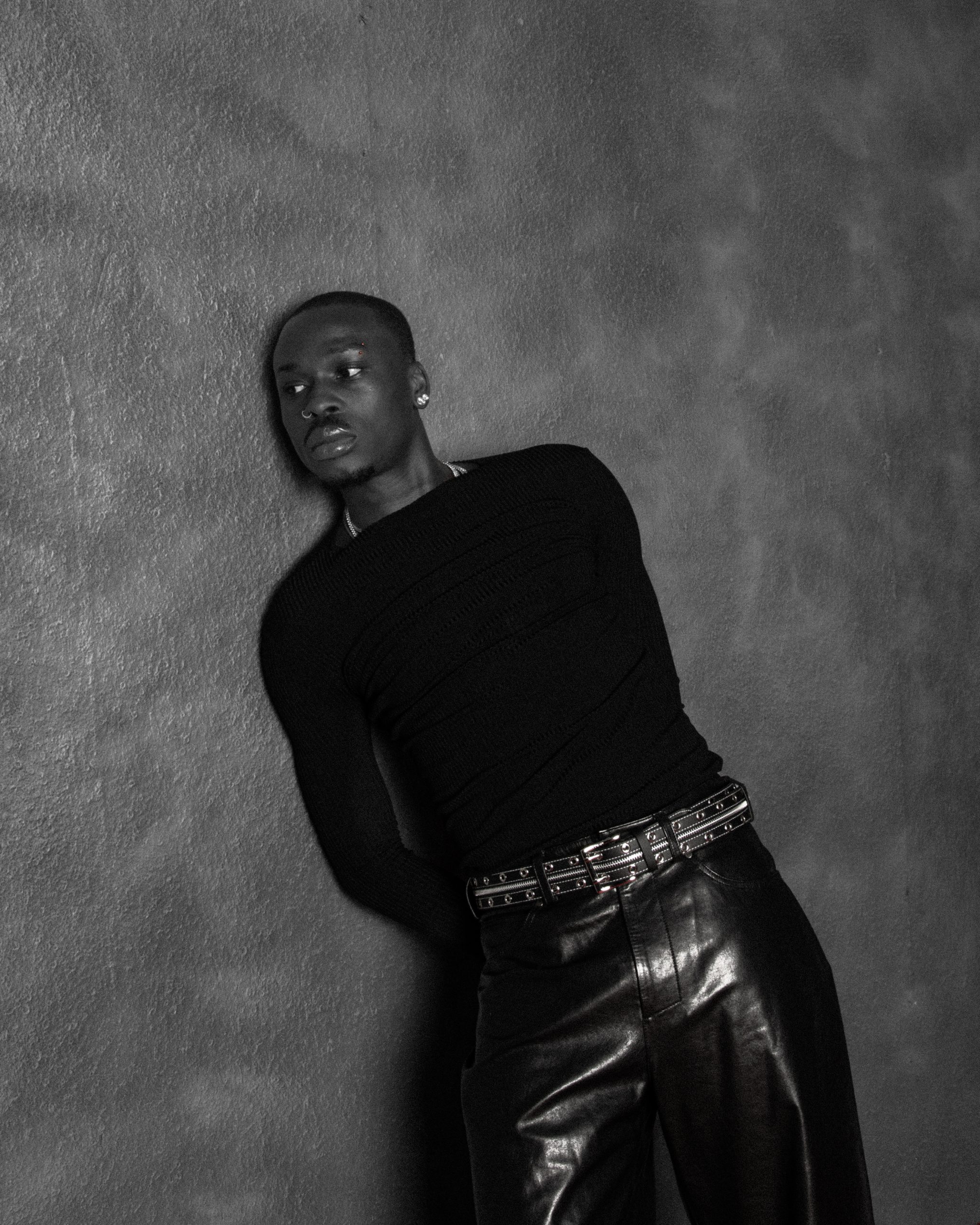
Hair has been one of the most recognisable parts of that image for years. You once said you chose locs partly because of the way they move when you perform. Has your relationship with your hair changed as your relationship with your image has changed?

I’ve gotten to the stage where I don’t particularly have to care about how my hair concerns my performance anymore.

At the time, it was essential. My hair was a very essential element in my whole brand, my entire brand.

But now I’m trying to break away from that, because it’s very hard to change an image that has been ingrained in people’s minds for so many years.

It had such a huge impact. It was everything: the music, the look, the hair, the innocence, the naïveté. Everything was just perfect.

Now I’m trying to break away from that. It’s been almost seven years, and I’m in a new phase of life. I’m experiencing life differently. I’m grown. I’m grown to the point where, when I shower, I want to feel water on my head. (laughs)

When you factor those things in, it puts things into perspective. What really matters now? I can perform a catalogue that lasts two hours, so why should I care about how my hair looks or how it performs? You feel me?

Things change.

That idea of moving beyond an image people already know also comes through in the way you dress. You’ve said you don’t really believe clothes have to belong to one gender. Do you think about beauty in the same way, as something that should feel free rather than masculine or feminine?

Yeah, for sure. I think it’s subjective. We subject it to gender to the point where it’s crazy.

Anyone can really love anything or like anything.

I’m very fluid with my fashion. Everyone knows that when I shop, I always say women get the nicest things! (laughs) They have the biggest options, all the beautiful stuff.

So I shop in the women’s section a lot, because if it looks good and I feel good in it, that’s all that matters. I think that’s how it should be.

Was that sense of freedom always natural to you, or did you grow into it as your life and career changed?

I definitely had to grow into it. I’d be lying if I said I’d always been like that, because obviously I’ve not always been exposed to life like that.

My life changed when I became famous. I became more exposed to a lot.

But I always had a mind of my own. If I like something, I like something. I just do whatever I want. I. DO. WHATEVER. I. WANT. (laughs)

And when everything around you becomes bigger: the audience, the shows, the attention, what helps you come back to yourself before you go on stage?

It depends, really. In most situations, I just let the nerves take over me and let it flow, because I always feel the nerves.

Every artist will tell you, right before we get on stage, it doesn’t matter if it’s 2,000 people or three people.

Sometimes I pray. Sometimes I just sit in silence. It depends on the vibe and the energy I’m reading.

I don’t really have a particular ritual, I’ll be honest.

I do vocal warm-ups depending on whether I feel like I really need it. If I’ve spoken a lot in the past week and my voice sounds kind of strange, I do vocal warm-ups.

And outside of the stage itself, is grooming something you prefer to keep quite private and do in your own space?

I take care of my skin. I do all that in the comfort of my own home.

Backstage or in the green room, I’m in the midst of all the people, so the way I am there is completely different.

I do all my grooming in the comfort of my own space.

If ZUKO! is the beginning of this new phase, what do you hope people will remember when they look back at it years from now?

I just want them to remember it.

I want them to look back and be like, “Oh, this is where it all started from. This is why this is like that. This is where this all originated from.”

When I look back at that era, I want there to be memories. I want meaning.

For a whole lot of years, people have known me for always just selling the music, just the music itself.

But now I’m trying to find a way to sell the music, the story, the visual experience. And I’m just really excited about it.

[Interview]
Nosa Imafidon
Oktober 16, 2026
Archiv
Impressum / Imprint
Datenschutz / Privacy Policy
AGB / Terms of Use
Cookie Check