“I want complete freedom while I’m creating.”

Eva Kolomiets on perfection, creative instinct and the tension between control and letting go

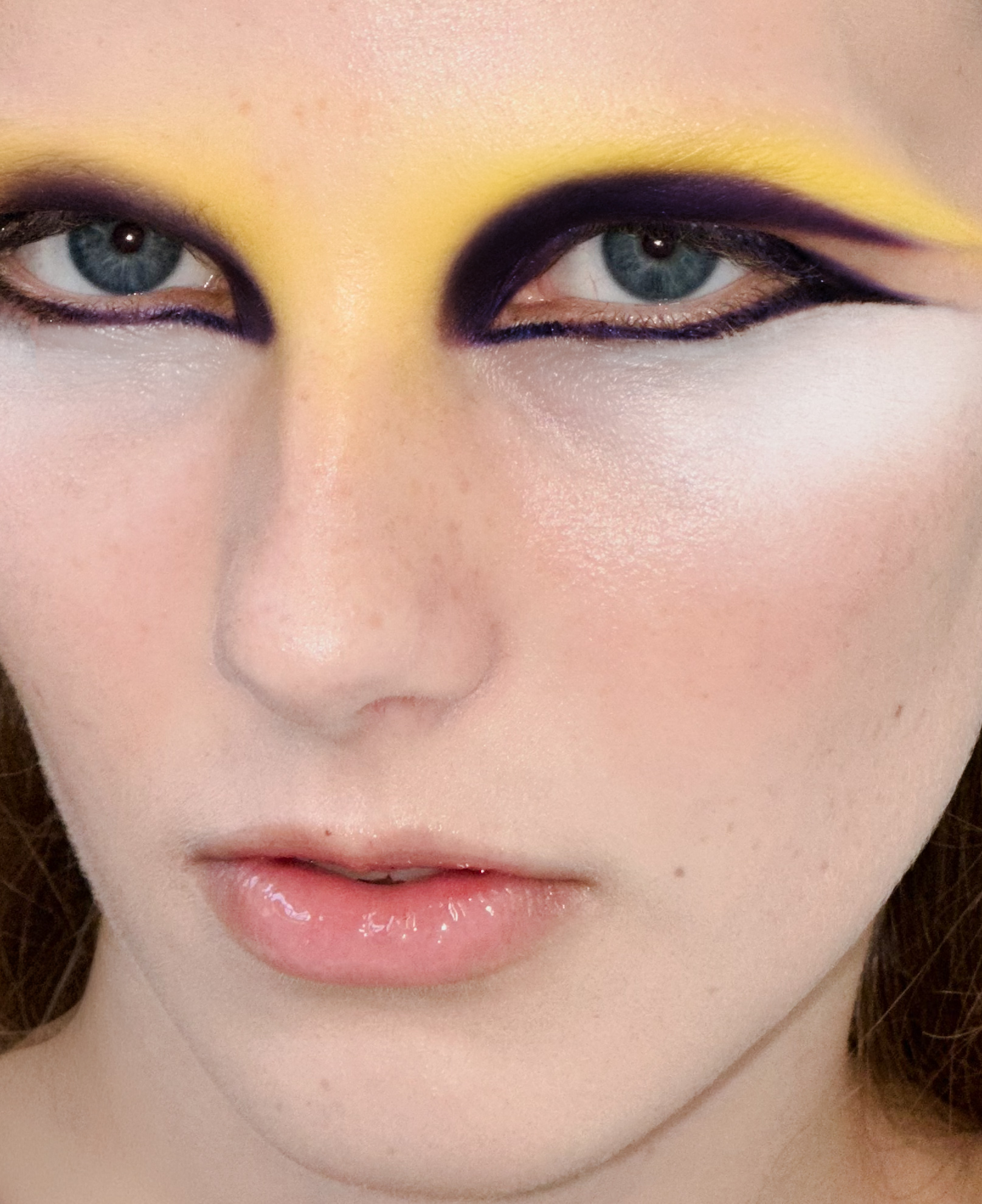
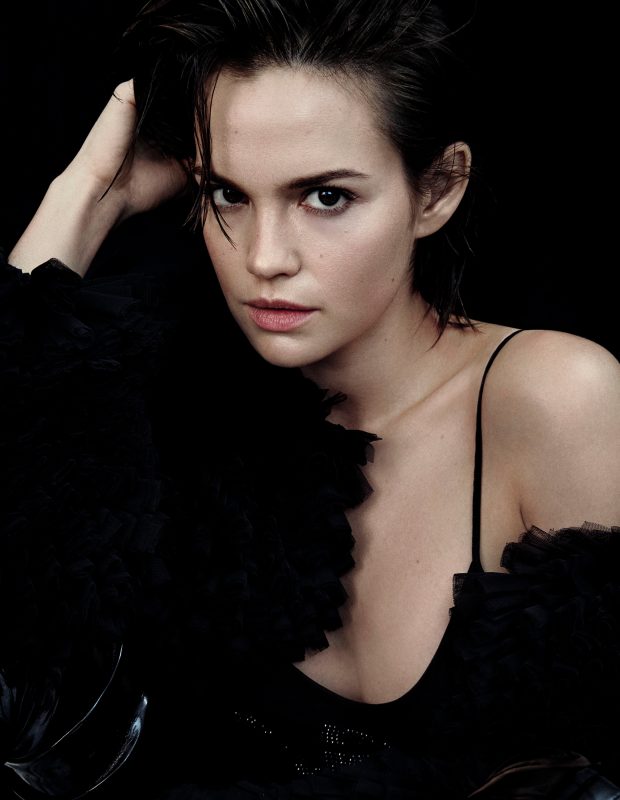
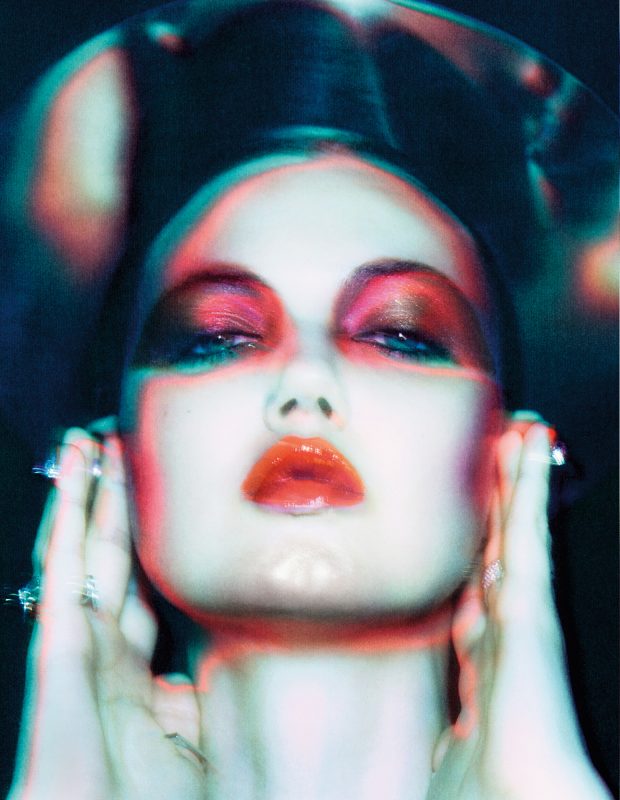
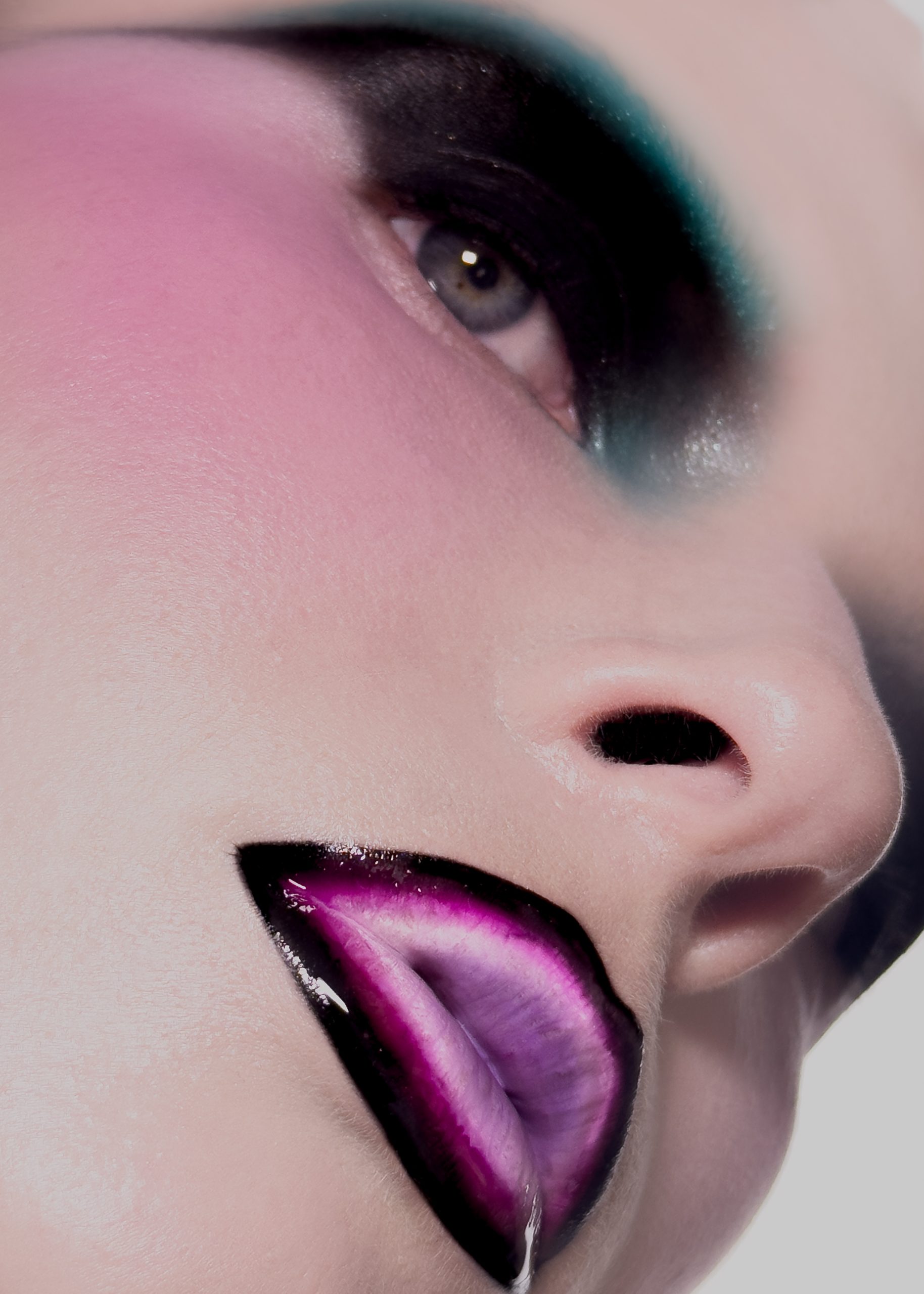
Originally from Ukraine and now based between Berlin and Düsseldorf, the self-taught hair and makeup artist Eva Kolomiets found her way into beauty through experimentation rather than formal training. From photographing her first makeup looks on herself to creating sculptural hair and highly detailed beauty images, her practice has always been driven by curiosity and finding her own way of doing things.

In conversation with TUSH editor Nosa Imafidon, she reflects on the process behind her work, developing taste and what she still wants to explore as an artist.

Are you more drawn to perfection, or to the unexpected things that happen when you let go of it?

When it comes to execution and how I work on set, I’m absolutely a perfectionist. I’m extremely demanding of myself, especially when it comes to precision, cleanliness, and the final result.

But creatively, I need freedom.

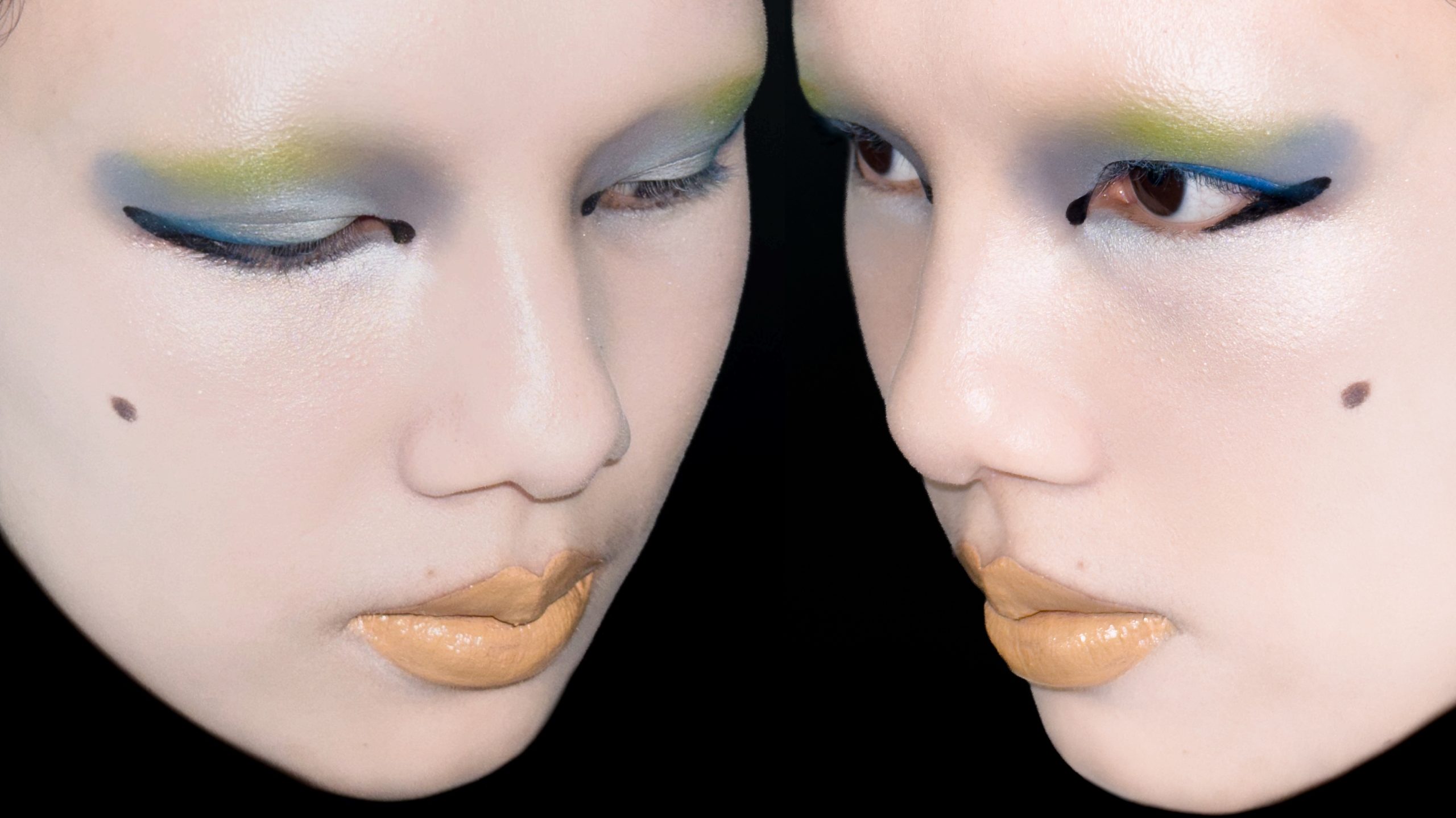
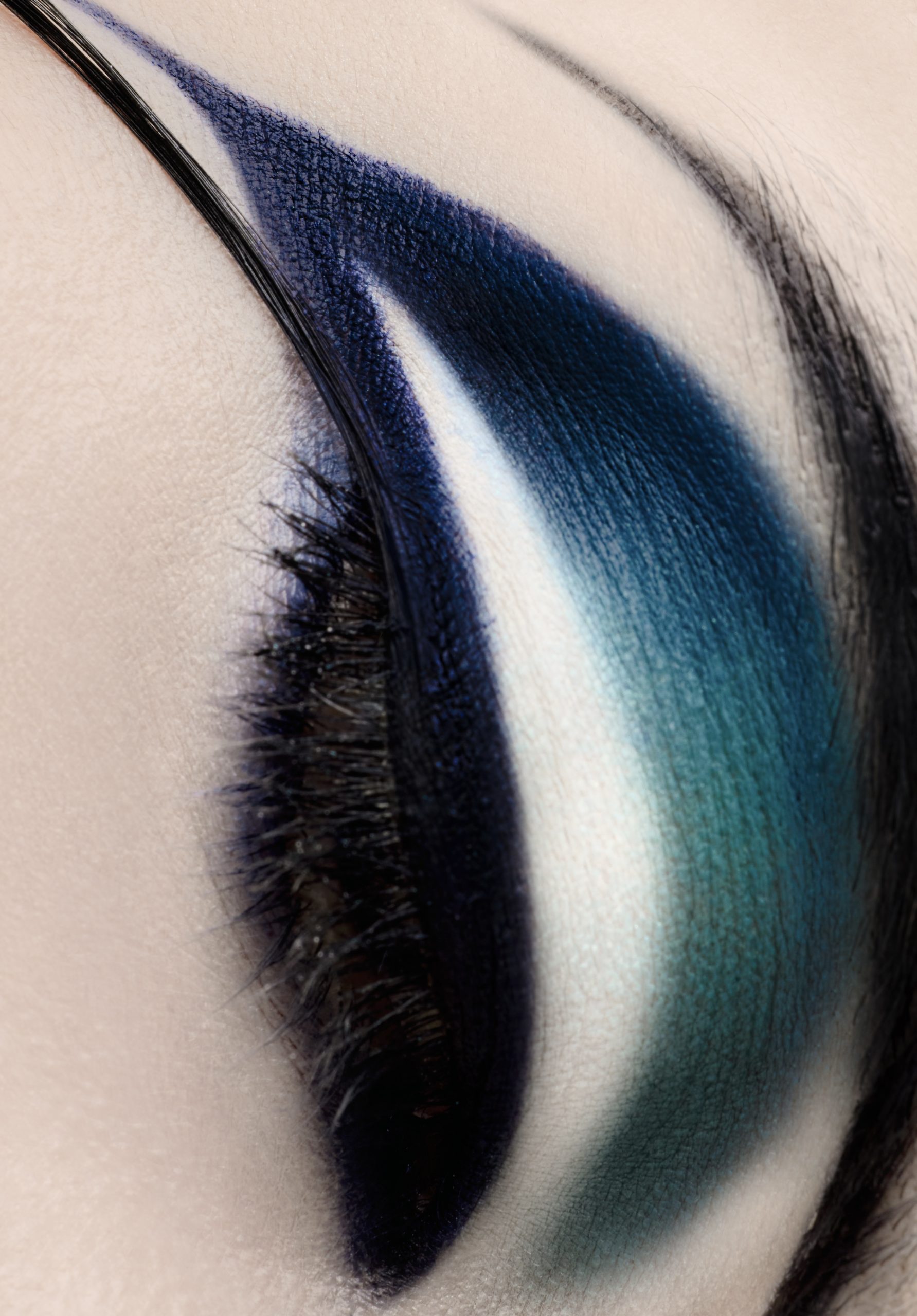
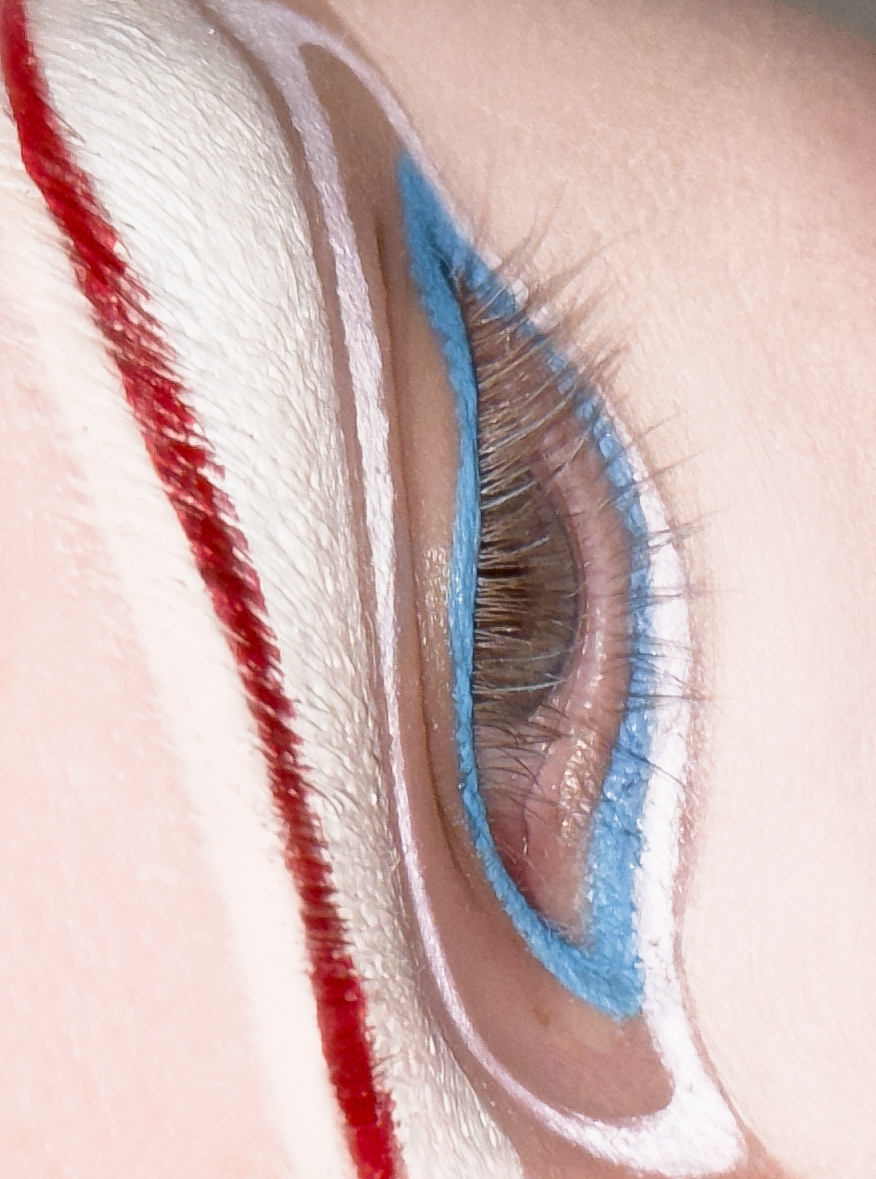
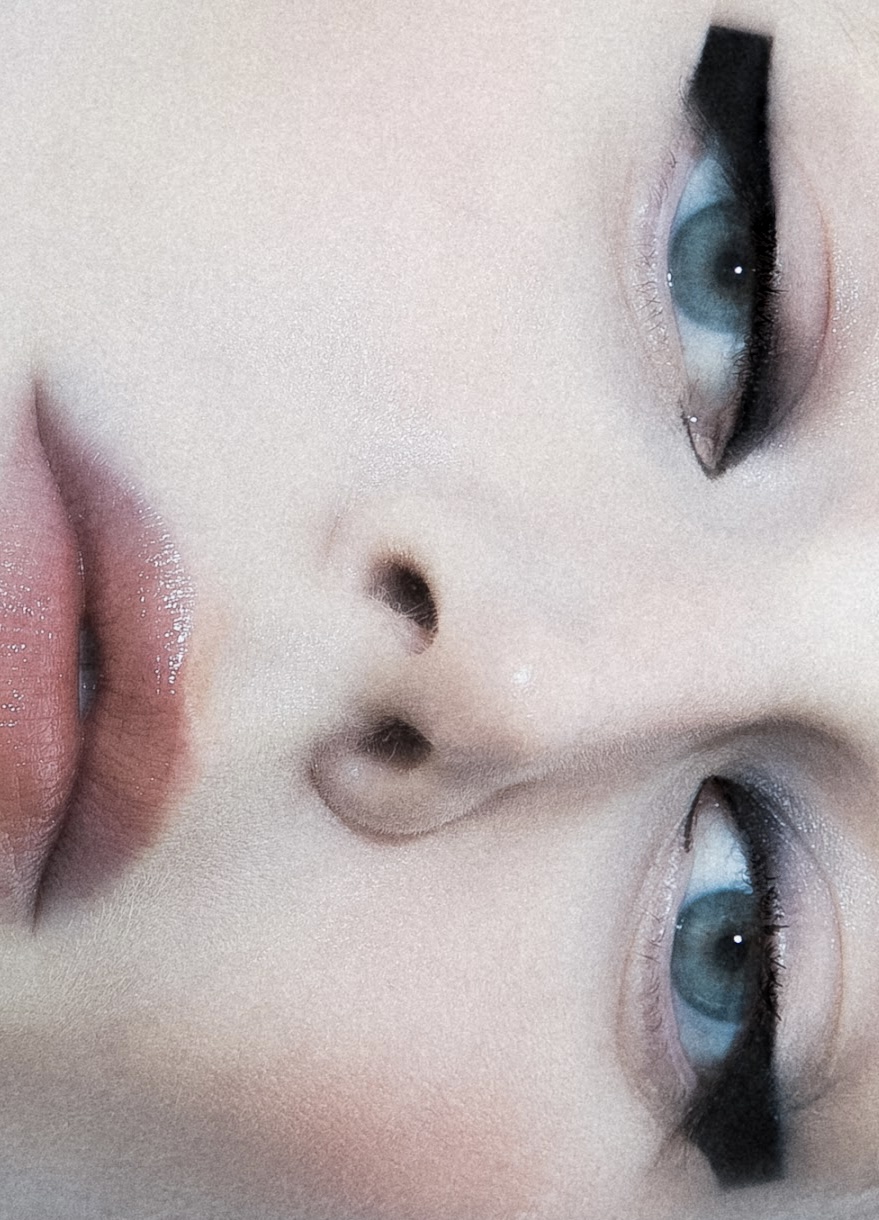
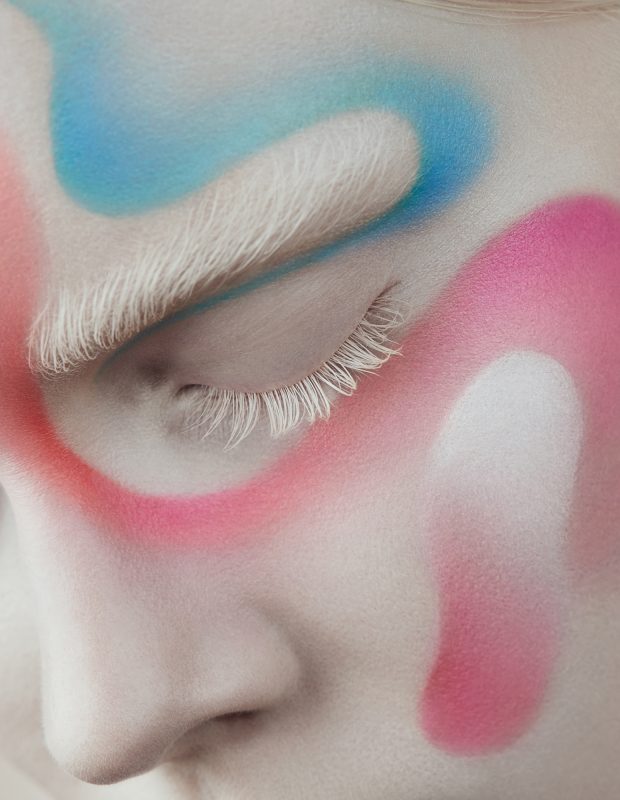
The image itself often develops without a strict plan. I can spend several hours creating a single beauty look almost as a form of meditation, slowly building it and carefully drawing every line.

So there’s an interesting contradiction in my process: I want complete freedom while I’m creating, but I’m incredibly precise about how that freedom is executed.

That balance between control and letting go is probably where I feel most like myself.

What first drew you to hair and makeup, and what keeps you curious about it today?

My first strong memory of makeup goes back to when I was around fourteen. My dance teacher had just learned stage makeup, and I still remember her walking into rehearsal one day with these huge Amy Winehouse-style wings. There was something so unusual about it. I think it was the first time I really felt how dramatically makeup could transform an image and the way you perceive someone.

Hair came quite naturally after that. I used to photograph all my makeup looks on myself, and for me, it was impossible to do just the makeup.

I’ve never had professional training in either makeup or hair. But the desire to create three-meter wigs, sculptural shapes, and those incredible images I saw on high-fashion covers and runways kept pushing me forward. If I didn’t know how something was technically “supposed” to be done, I would use logic, experiment, and find my own way of making it work.

Everything comes from experimenting, questioning, and constantly searching for something of my own. I was never particularly interested in being told what was “correct.” I was much more interested in discovering what was possible.
What would you like to see more of in beauty right now?

More freedom and courage — but at the same time, more precision and harmony.

I want to see more artists developing their own visual language instead of endlessly adapting themselves to the same trends.

I genuinely admire artists who continue pushing their vision even when it would be easier — and often more profitable — to create something more familiar, wearable, or commercially safe.

For me, that commitment to your own vision is incredibly powerful. Creating something personal means accepting that not everyone will immediately understand it, and continuing anyway.

That’s the kind of artist I want to keep becoming: someone who protects her own vision, keeps pushing it further, and hopefully gives other people the courage to do the same.


How do you hope people feel when they see your work?

I’d actually be really curious to know the answer myself. How do you feel when you see my work?

That genuinely interests me, because I don’t want to completely dictate what someone is supposed to feel. I want there to be space for their own reaction.

But I do hope there’s a rush of energy, a little wildness, and a feeling that more is possible than we sometimes allow ourselves to believe.

I want my work to make people want to experiment, make mistakes, try again, and not be afraid of doing something “wrong.”

If there are two things I hope people can feel in my work, they are freedom and honesty.

You work across both hair and makeup. Do you see them as two separate disciplines, or as one way of building a character?

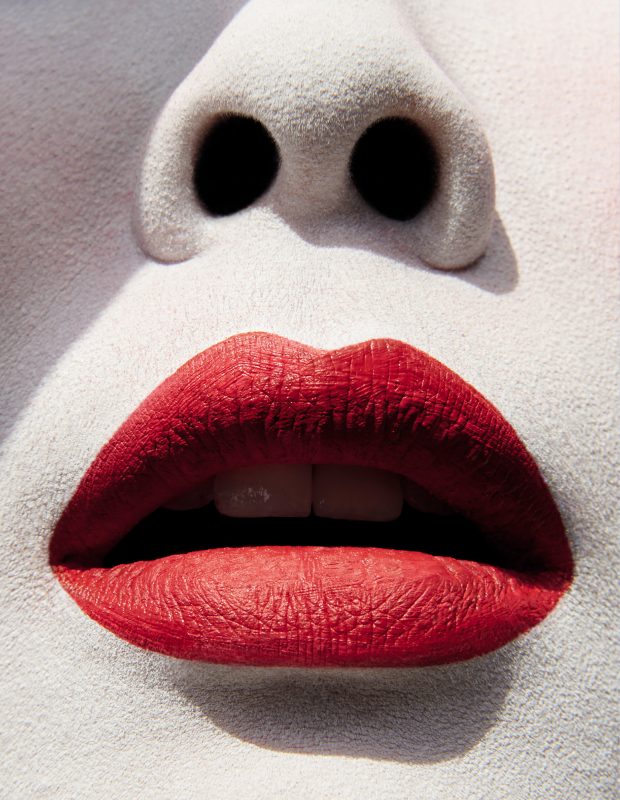
Someone once told me something that really stayed with me: “A makeup artist is a painter, while a hair artist is an architect.” That’s very close to how I see these two disciplines.

How do you know when a look is finished?

That’s a difficult one. I think knowing when to stop is something you have to train.

Maybe that’s actually part of developing your taste as an artist. Because trust me, I can always add another line or another colour.

After a shoot, I often return to my work once I’ve photographed it and gone through post-production. I analyse it: What was unnecessary? Would another shape have been stronger? Did that colour really need to be there? What could I have added — and, more importantly, what could I have removed?

That process has become very important to me because it allows me to see my own work from the outside.

For me, knowing when a look is finished isn’t just instinct. It’s part of developing discipline and taste.


What is one moment in your career that still feels especially beautiful to you?

I’m extremely demanding of myself, and because of that, I don’t always stop to recognise how far I’ve already come.

Sometimes I look back at my journey.

So maybe my answer is slightly different from what you expected: I don’t want to choose one beautiful moment from the past.

I genuinely believe the most beautiful moments of my career are still ahead of me.

[Interview]
Nosa Imafidon
September 28, 2026
Archiv
Impressum / Imprint
Datenschutz / Privacy Policy
AGB / Terms of Use
Cookie Check