Confiding in Kylie

How Kylie Minogue's 1990s indie era gave her credibility as a musician (and a gay icon)

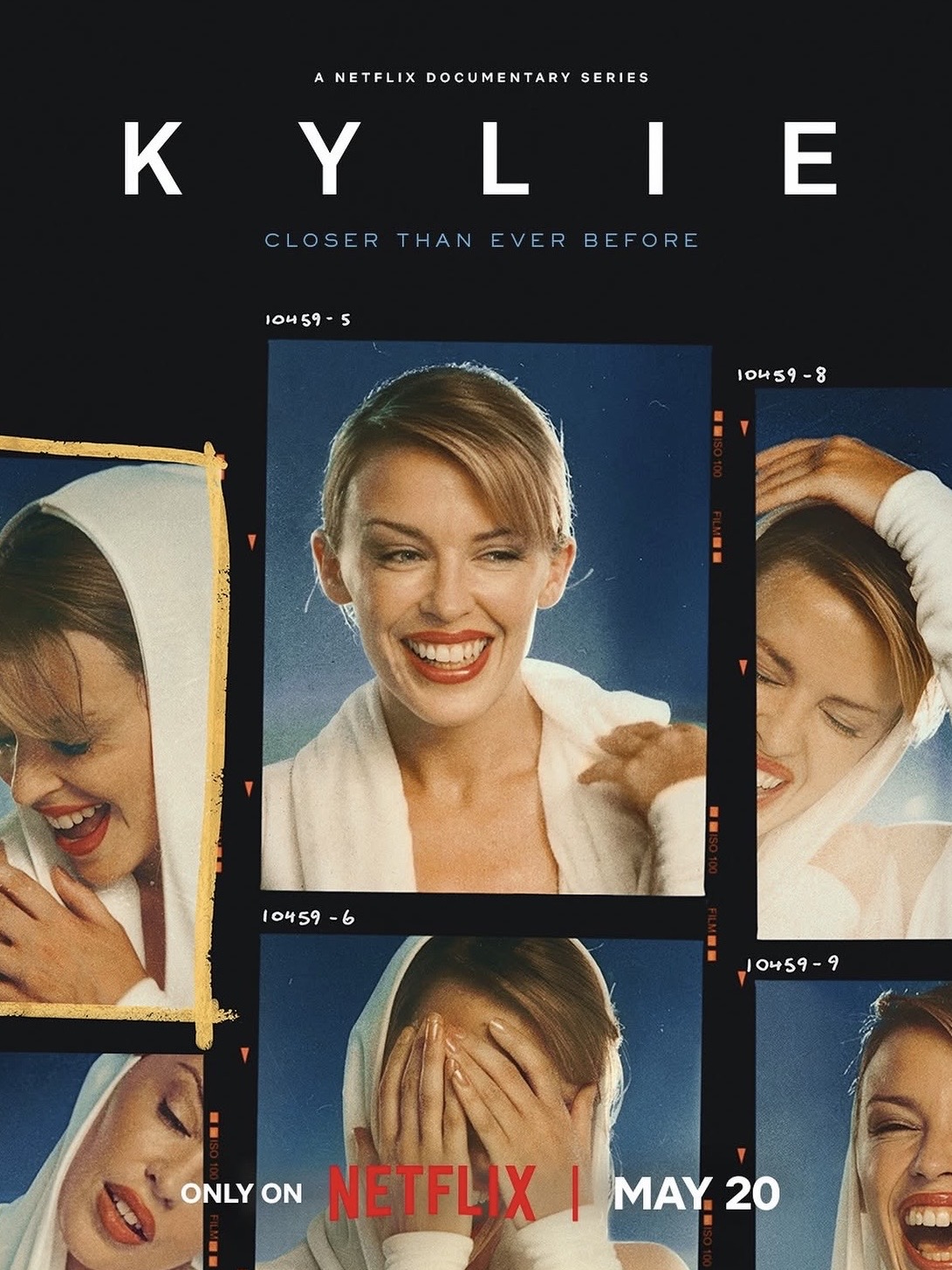
I have to say: the newly released Kylie Minogue Documentary on Netflix hits harder than expected.

There are fun moments, because that’s ultimately what Kylie Minogue is all about: that glittering, Tinker Bell-like showgirl of a pop star who will appear on stage no matter what life throws at her.

What makes the documentary difficult to watch, somewhere between comforting nostalgia and a recollection of pop culture and media over the last five decades, is not scandal or collapse, but endurance: the psychological cost of being permanently perceived, the constant expectation to remain consumable, the impossible demand to become immune to public judgment – especially as a woman in pop music.

Maybe that’s why I find Kylie’s mid-1990s era so interesting: a very specific in-between moment where she stopped conforming to the likable Neighbours girl-next-door (an image largely created by producers, writers and her label) and started growing into her own womanhood and artistry, with contradictions and interiority.

Ironically, it’s also the era she was punished for the most. Radio stations stopped playing her as much, audiences seemed confused, critics underestimated the transition. But to me, this is Kylie at her most compelling: freeing herself from the engineered 1980s pop career and crossing that crucial threshold into becoming a musician whose work carries authorship, ambiguity and self-awareness.

With Rhythm of Love in 1990, Minogue’s third studio album, she had already begun distancing herself from the externally controlled machinery of bubblegum pop, even though the album was still largely produced by Stock Aitken Waterman. The transition continued with Let’s Get to It in 1991. But I’m especially interested in the period between those records and later milestones like the iconic duet with Nick Cave, Where the Wild Roses Grow, in 1996, and her album Impossible Princess in 1997.

More specifically, I want to focus on one particular song from her self-titled 1994 album Kylie Minogue: Confide in Me, one of my favorite songs of hers.

Especially now, when pop culture seems obsessed with confession again. Madonna is revisiting her Confessions era, social media rewards oversharing, and emotional exposure has become a form of public performance. Confide in Me, though, was always about something else.

In the song and the iconic video, Kylie takes on the role of a seductive, manipulative stranger urging listeners to share their deepest secrets. It’s the counter-image to her harmless sweetheart 1980s persona. Confide in Me reintroduced Kylie as a woman in charge: powerful, complex, dangerous, and literally multi-voiced.

More than 30 years ago, the song already captured the paranoia, intimacy and credibility crisis we understand so well in this AI-centered moment. It almost feels prophetic now: intimacy without bodies, trust without certainty, desire under surveillance.

I’ve loved this song since I was a kid. A spoken-word prayer wrapped in Middle Eastern strings, secrecy, yearning and seduction. To confess is to reveal, often under pressure. To confide is to trust. Confession belongs to spectacle, audiences and algorithms. Confiding belongs to intimacy. One person. One room. One chosen moment of emotional risk. Hiding, longing, fragmented desire: these are things queer people have always understood instinctively.

In the documentary, Kylie openly reflects on how queer audiences embraced and protected her throughout the 1990s, during periods when she faced harsh and often deeply misogynistic criticism from the mainstream press.

When Confide in Me was released in August 1994, it charted, but nothing compared to the massive pop hits that came before it — which somehow only added to its underground aura. It felt like something you discovered rather than something marketed to you. Kylie wasn’t asking to be liked. She was inviting you into a closed room.

Kylie eventually returned to full pop mode in 2000 with Spinning Around from the album Light Years and made her comeback to the top of the charts. After years of growing pains, she realized that being pop was never the problem — being reduced to an instrument of it was. Only by stepping away from mainstream pop and moving toward darker, more independent sounds was she able to reconnect with herself and ultimately return to pop on her own terms.

The 1990s gave Kylie something more important than chart dominance: musical and emotional credibility through rupture, reinvention and vulnerability.

That’s what ultimately made so many fans, especially queer audiences, confide in her.

I hope Confide in Me gets its own comeback moment someday (the way Running Up That Hill did through Stranger Things), rediscovered by a younger generation that suddenly realizes how contemporary it always was.

And for them, KYLIE, the Netflix documentary, might actually be the perfect introduction.

[Autor]
Fabian Hart
Mai 28, 2026
Archiv
Impressum / Imprint
Datenschutz / Privacy Policy
AGB / Terms of Use
Cookie Check